Buying Guide
Best Pour-Over Coffee Makers in 2026
Compare the best pour-over coffee makers for 2026, including Hario V60, Kalita Wave, Chemex, OXO, Fellow Stagg, and Clever Dripper by taste, filters, workflow, and learning curve.
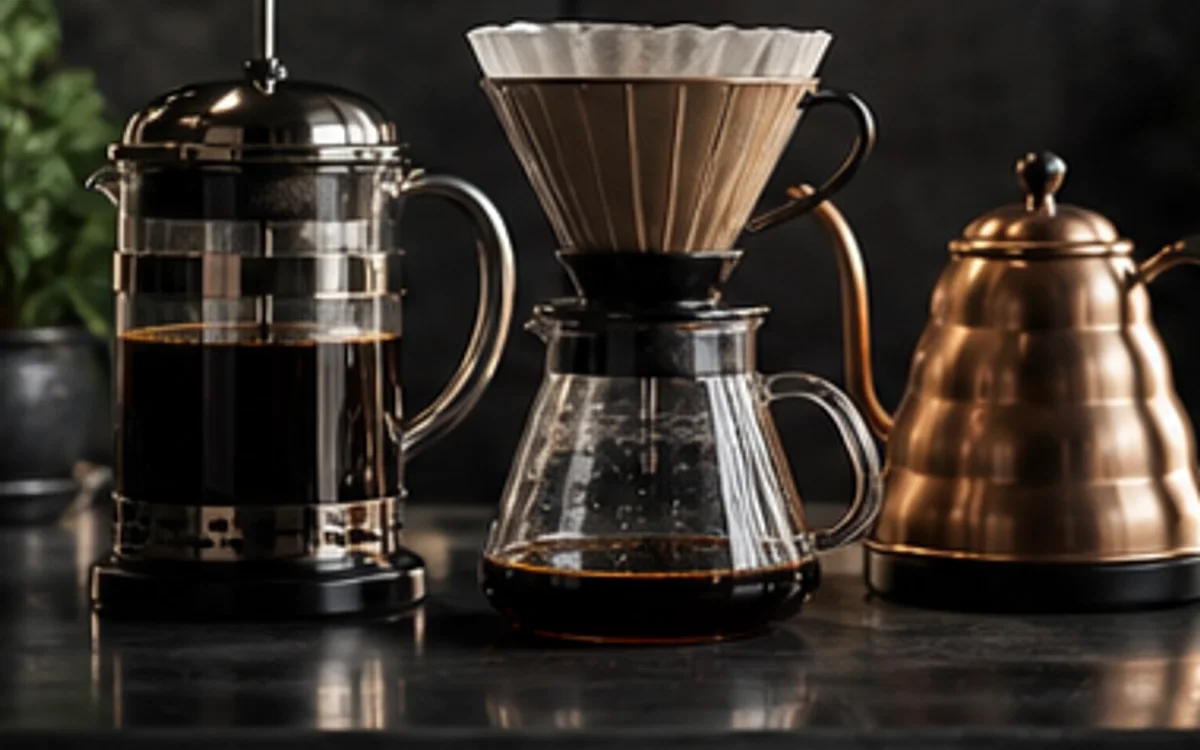
Pour-over looks simple from the outside: a cone, a filter, hot water, and patience. In a real kitchen, the brewer shape decides how forgiving the cup is, which filters you must keep stocked, whether you need a gooseneck kettle, and whether the routine still feels fun on a busy weekday. The best pour-over coffee maker is not one universal winner. It is the dripper that matches your grind quality, batch size, patience, and taste preference.

Picks are ranked by daily usability and cup style, not by the highest commission path.
Capacity, filter style, and workflow notes are checked against manufacturer pages where possible.

Product buttons can earn Coffee Corner a commission, but the buying advice stays editorial.
Read disclosureBuying Summary
The short version before you compare.
Pour-over looks simple from the outside: a cone, a filter, hot water, and patience. In a real kitchen, the brewer shape decides how forgiving the cup is, which filters you must keep stocked, whether you need a gooseneck kettle, and whether the routine still feels fun on a busy weekday. The best pour-over coffee maker is not one universal winner. It is the dripper that matches your grind quality, batch size, patience, and taste preference.
Cone drippers like V60 can make bright, transparent cups, but they expose grind and pouring mistakes. Flat-bottom and immersion-assisted brewers are better when you want a softer learning curve.
Before checkout, check local and online filter supply. V60 and Chemex filters are easy to recognize; Kalita, Fellow, and Clever are excellent but need the right paper.
The dripper may be cheap, but repeatability comes from grind consistency, water control, dose accuracy, and a recipe you can repeat.
Quick Picks
Pick the dripper by workflow, not by hype.
A cone dripper rewards skill, a flat-bottom dripper forgives more, a Chemex doubles as a serving carafe, and assisted designs remove some pouring pressure. Start with the kind of morning you actually have.
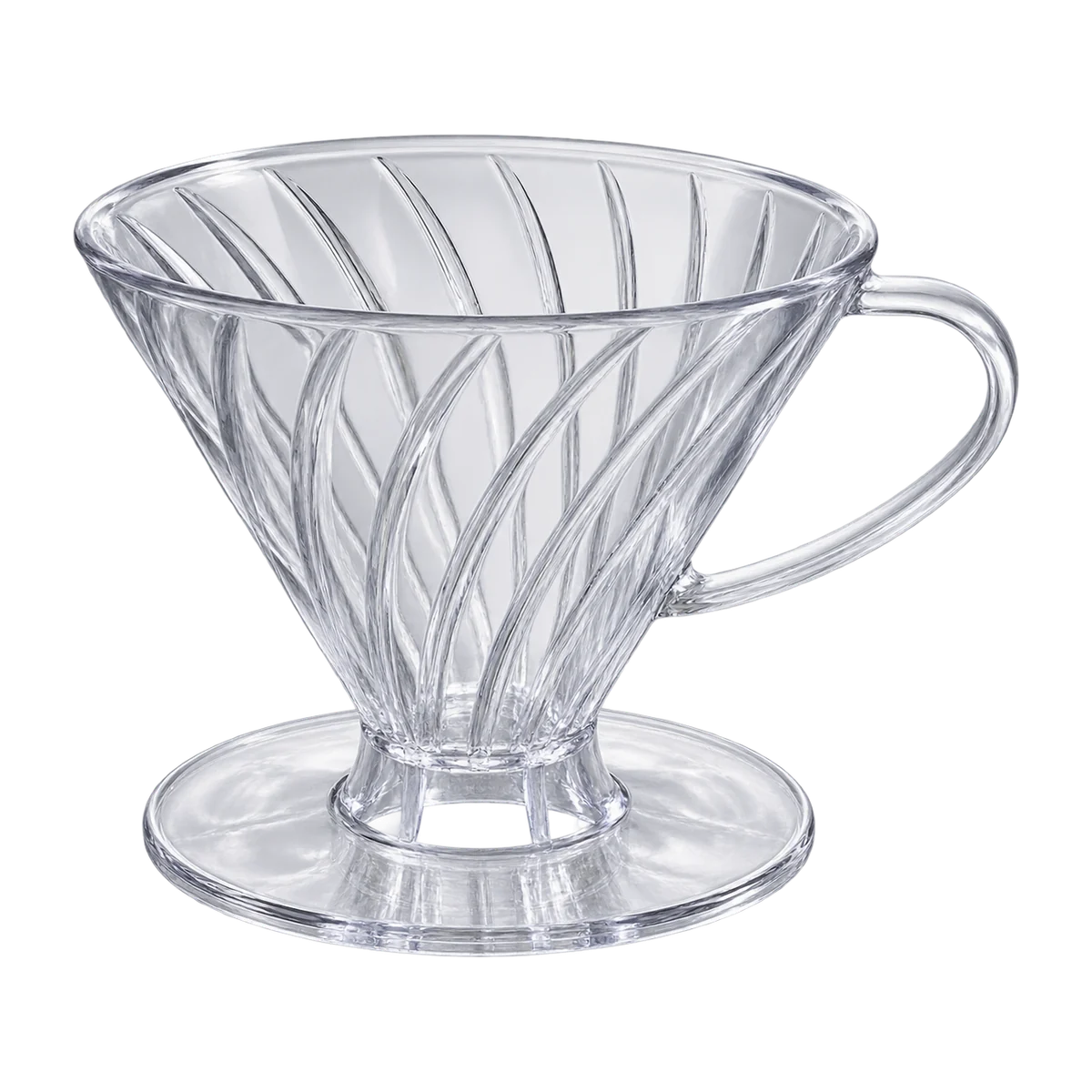
Hario V60 02 Coffee Dripper
The V60 is still the reference point for skill-forward pour-over. It is inexpensive, widely supported, easy to replace, and capable of very clear cups. Buy it if you want to learn, not if you want the brewer to hide mistakes.
- Best for
- Drinkers who enjoy adjusting grind, pour rhythm, water temperature, and brew time.
- Watch out
- It is less forgiving when the grind is uneven or the pour is careless.

Kalita Wave 185 Stainless Steel Dripper
Kalita Wave 185 is the calmer recommendation for most daily pour-over drinkers. The flat bed and three-hole drainage make extraction feel more even and predictable than a fast cone, especially with medium roasts.
- Best for
- People who want a balanced cup without treating every pour like a competition routine.
- Watch out
- Wave filters are specific, so check filter supply before buying.
Chemex Classic Series 6-Cup Coffeemaker
Chemex is the most beautiful useful object in this list. The thick filters make polished, low-sediment coffee, and the brewer doubles as the serving vessel. It is not the best one-cup workhorse, but it is excellent for calm two-person brewing.
- Best for
- Hosts, slow weekend coffee, clean cups, and people who want the brewer to look good on the table.
- Watch out
- It is glass, it needs Chemex-style filters, and small batches can feel fussy.
OXO Brew Pour-Over Coffee Maker with Water Tank
OXO turns pour-over into a more repeatable morning tool. Add coffee, pour water into the tank, and let the hole pattern distribute the brew water. It is not as romantic as a V60, but it is smarter for many beginners.
- Best for
- New pour-over drinkers who do not want to buy a gooseneck kettle immediately.
- Watch out
- The tank makes brewing easier, but it removes some hands-on control.
Fellow Stagg XF Pour-Over Dripper
Fellow Stagg XF is the premium-feeling route: heavier, cleaner on the counter, and better at holding heat than a basic plastic cone. It makes sense when design, build, and repeatable recipes matter more than absolute bargain value.
- Best for
- Design-focused brewers who want better heat retention and larger Stagg XF recipes.
- Watch out
- It costs more than the classics, and you should like the Fellow filter ecosystem.
Clever Coffee Dripper
The Clever Dripper is what I would hand to someone who keeps making sour V60 cups. Immersion makes extraction easier to repeat, and the paper filter keeps cleanup cleaner than a French press.
- Best for
- People who want French press forgiveness with paper-filter cleanup.
- Watch out
- It is not a classic pour-over flavor profile; it is rounder and less delicate.
Dripper Matrix
Pour-Over Coffee Maker Comparison Matrix
Last updated August 16, 2026. Notes were rebuilt from Coffee Corner archives, current producer pages, SCA standards context, and practical owner-use patterns. Prices and Amazon availability can change after publication.
| Pick | Award | Score | Brewer type | Best batch | Workflow | Learning curve | Best for | Watch out | Product links |
|---|---|---|---|---|---|---|---|---|---|
|
1
Hario V60 02 Coffee DripperCone dripper
|
Best overall control | 9.2 | Cone / fast flow | 1-4 cups | Hands-on | Higher | Drinkers who enjoy adjusting grind, pour rhythm, water temperature, and brew time. | It is less forgiving when the grind is uneven or the pour is careless. | Check price Read notes |
|
2
Kalita Wave 185 Stainless Steel DripperFlat-bottom dripper
|
Most forgiving manual pick | 9 | Flat / three-hole | 1-2 cups | Steady | Moderate | People who want a balanced cup without treating every pour like a competition routine. | Wave filters are specific, so check filter supply before buying. | Check price Read notes |
|
3
Chemex Classic Series 6-Cup CoffeemakerGlass brewer and carafe
|
Best for serving two | 8.8 | Glass carafe | 2-5 cups | Slow ritual | Moderate | Hosts, slow weekend coffee, clean cups, and people who want the brewer to look good on the table. | It is glass, it needs Chemex-style filters, and small batches can feel fussy. | Check price Read notes |
|
4
OXO Brew Pour-Over Coffee Maker with Water TankAssisted pour-over
|
Best beginner helper | 8.7 | Water-tank assist | Up to 12 oz | Easy | Low | New pour-over drinkers who do not want to buy a gooseneck kettle immediately. | The tank makes brewing easier, but it removes some hands-on control. | Check price Read notes |
|
5
Fellow Stagg XF Pour-Over DripperInsulated premium dripper
|
Best premium dripper | 8.4 | Insulated flat | Up to 20 oz | Measured | Moderate | Design-focused brewers who want better heat retention and larger Stagg XF recipes. | It costs more than the classics, and you should like the Fellow filter ecosystem. | Check price Read notes |
|
6
Clever Coffee DripperImmersion-assisted dripper
|
Best low-stress cup | 8.6 | Immersion valve | Single mug | Low stress | Low | People who want French press forgiveness with paper-filter cleanup. | It is not a classic pour-over flavor profile; it is rounder and less delicate. | Check price Read notes |



How To Choose
Five checks before buying a pour-over coffee maker.
Choose the cup style first
Bright and detailed points toward V60. Round and balanced points toward Kalita. Clean and elegant for two points toward Chemex. Easy and repeatable points toward OXO or Clever.
Check filter availability
A brewer becomes frustrating when the filters are expensive, out of stock, or easy to confuse with another size. Filter supply is part of the real cost.
Be honest about your kettle
A fast cone dripper is easier with a gooseneck kettle. If you use a normal kettle, the OXO assisted tank or Clever Dripper may produce better results sooner.
Match capacity to routine
Single-cup brewers are nimble but annoying for guests. Chemex and larger Fellow recipes work better when two people drink coffee at the same time.
Upgrade grind before blaming the cone
Uneven grind size can make any pour-over taste sour, bitter, or hollow. A better grinder often improves the cup more than changing from one dripper to another.
It is the clearest training tool and the easiest ecosystem to grow into.
I want fewer mistakesChoose Kalita WaveThe flat bed is a calmer daily brewer for balanced cups.
I brew for twoChoose ChemexIt handles serving and presentation better than a small dripper.
I need help pouringChoose OXOThe water tank makes the routine easier without turning it into a full machine.
I want paper-filter French press easeChoose CleverImmersion is forgiving, full, and hard to mess up.
I need weekday autopilotConsider drip coffee makersIf you do not want to stand and pour, a good drip machine is more honest.
Brewer Shape
Cone, flat-bottom, carafe, and immersion brewers solve different problems.
Most weak pour-over advice ranks brewers as if they all do the same job. They do not. Geometry changes water speed, bed depth, agitation, heat retention, and how much the recipe punishes small mistakes.
Cone drippers
Best for clarity, acidity, and learning technique. They reward precise grind and controlled pouring.
Flat-bottom drippers
Best for balanced extraction and calmer repeatability, especially with medium roasts.
Carafe brewers
Best when the brewer also needs to serve two or more cups beautifully.
Immersion-assisted brewers
Best when you want extraction to happen mostly by steeping instead of perfect pouring.
Setup Cost
The dripper is cheap; the system around it decides quality.
A $15 dripper can beat an expensive brewer when the beans are fresh, the grind is even, and the recipe is measured. A $60 dripper can still taste messy with stale pre-ground coffee and random pouring.
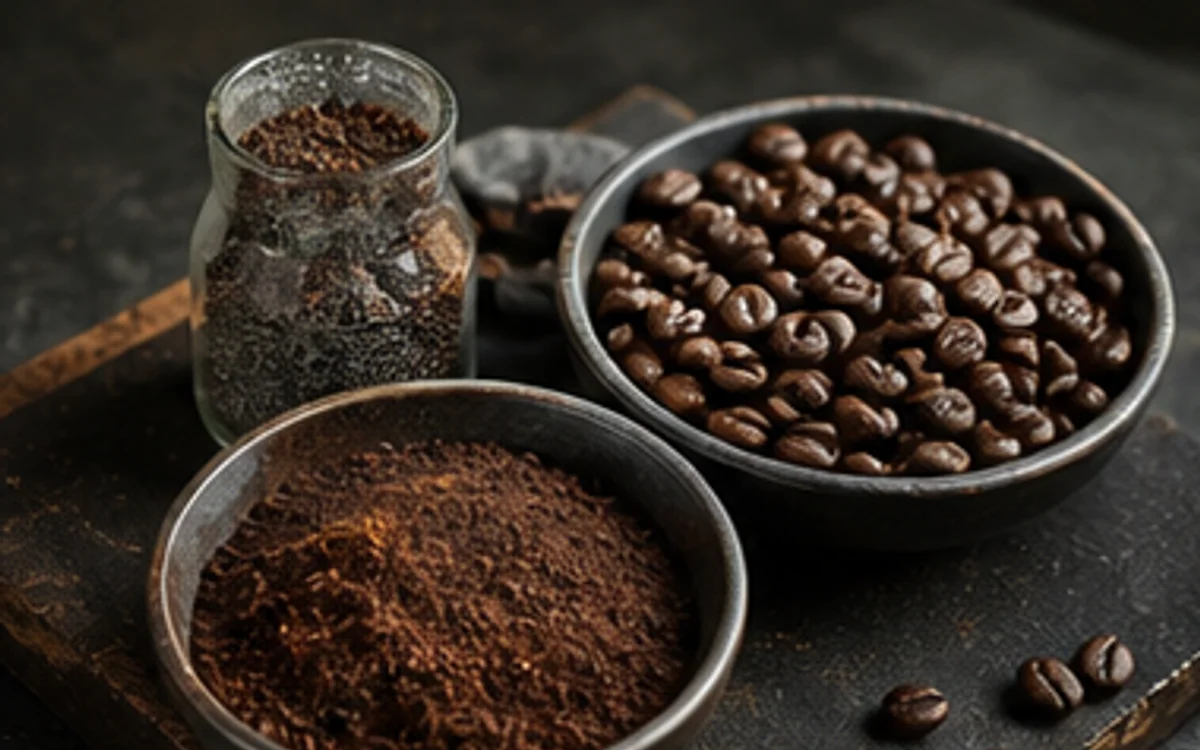
Grinder
Consistent medium-fine to medium grind is the first real upgrade for pour-over.
Scale
A small digital scale keeps recipe changes honest. Dose and water volume matter more than guessing by scoop.
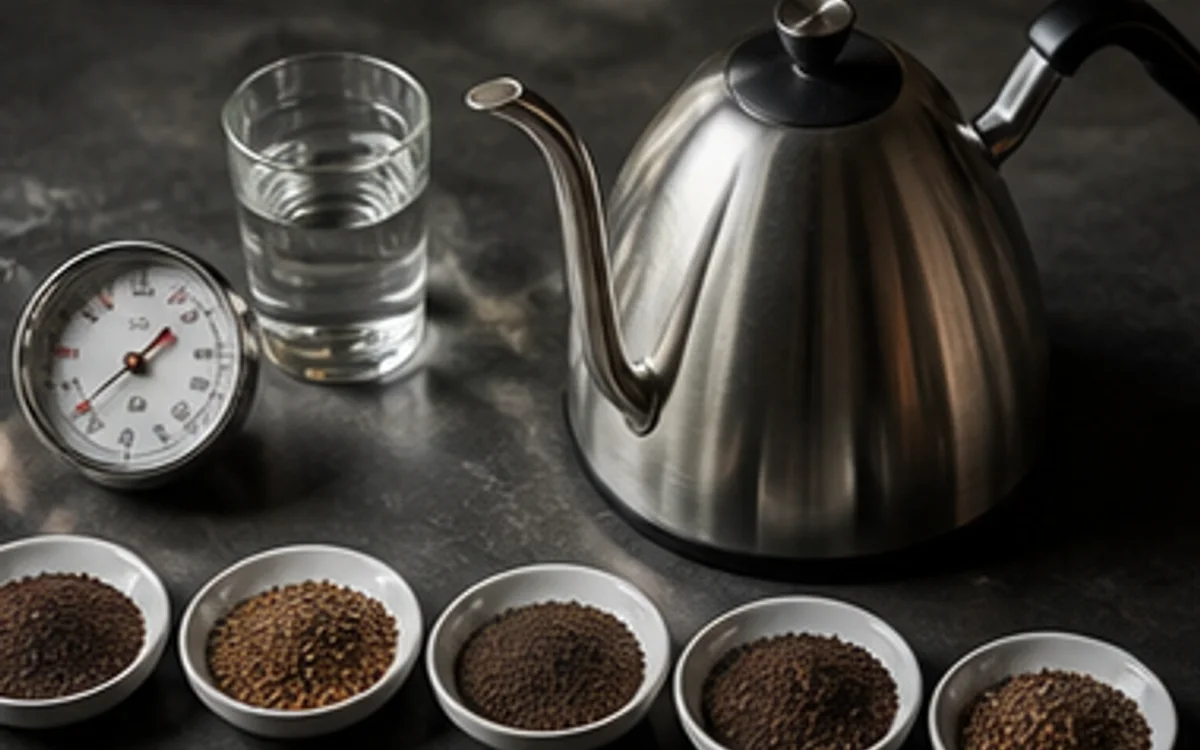
Kettle
Gooseneck control helps cone brewers. Assisted brewers are better if you do not want another kettle.
Recipe
Start around 1:16 coffee to water, then adjust grind before changing everything else.
Taste Map
Match the brewer to the flavor you actually want.
If you drink light roast black coffee, clarity matters. If you drink medium roast with milk, balance and body can matter more. If you brew for guests, presentation and volume may outweigh the last 5 percent of cup precision.
Bright and tea-like
Hario V60 is the most obvious starting point for transparent cups.
Sweet and balanced
Kalita Wave is the safer daily choice for many kitchens.
Clean and elegant
Chemex filters produce a polished cup with less sediment and a lighter body.
Round and easy
Clever Dripper gives extraction room to breathe and is less sensitive to pour pattern.
When To Skip
Do not buy pour-over if the routine itself is the problem.
Pour-over is wonderful when you want to participate. It is a poor fit when everyone in the house wants coffee fast, the counter is chaotic, or mornings need a button rather than a ritual.
For family pots
A thermal drip brewer will be more useful than making several manual cups in a row.
For espresso drinks
Pour-over will not replace pressure, crema, or milk steaming.
For capsules
Choose a pod machine if speed and cleanup matter more than bean choice.
For uncertainty
Use the Coffee Maker Quiz before buying another brewer that duplicates what you already own.
Buyer FAQ
Questions to answer before checkout.
What is the best pour-over coffee maker overall?
For learning and long-term control, Hario V60 02 is the best overall pick. For a more forgiving daily cup, Kalita Wave 185 is easier to recommend to beginners.
Is Chemex better than V60?
Chemex is better for clean, elegant batches and serving two or more cups. V60 is better for one-cup control, faster experiments, and sharper flavor clarity.
Do I need a gooseneck kettle for pour-over?
You do not strictly need one, but it helps a lot with cone drippers. If you use a normal kettle, an OXO water-tank brewer or Clever Dripper is more forgiving.
Which pour-over brewer is easiest for beginners?
OXO Brew Pour-Over with Water Tank is easiest because it helps distribute water. Clever Dripper is also beginner-friendly because immersion reduces pouring pressure.
Which pour-over filters should I buy?
Buy the exact filter style and size made for the brewer: V60 02 filters for V60 02, Kalita 185 Wave filters for Wave 185, Chemex bonded filters for Chemex, and the correct Fellow or #4 filters where required.
Keep Researching