Buying Guide
Best Kona Coffee in 2026
Compare Kona coffee picks and learn how origin, grade, roast, authenticity, processing, and brewing style affect the cup.
Kona is one of those coffees where the romance can get ahead of the bag. The district is small, the price is high, and the label language can be slippery. This guide treats Kona like a careful purchase: check whether it is truly 100% Kona, calculate the price by ounce, notice roast date and format, then decide whether the cup you want is a delicate peaberry treat, a richer everyday Hawaiian profile, or simply a good non-Kona coffee at a fairer price.




No paid placements. Picks are organized around real routines, trade-offs, owner feedback, and Coffee Corner research.

The guide compares price, fit, use case, daily workflow, owner feedback, and long-term buying trade-offs.

Coffee Corner may earn from qualifying purchases when you click a product button. Prices, ratings, review counts, and availability can change after publication.
Read disclosureBuying Summary
The short version before you compare.
Kona is one of those coffees where the romance can get ahead of the bag. The district is small, the price is high, and the label language can be slippery. This guide treats Kona like a careful purchase: check whether it is truly 100% Kona, calculate the price by ounce, notice roast date and format, then decide whether the cup you want is a delicate peaberry treat, a richer everyday Hawaiian profile, or simply a good non-Kona coffee at a fairer price.
Use our broader coffee bean buying guide to weigh roast and freshness alongside origin, then follow the coffee storage guide once the bag arrives. For grinders and brewers to use with it, browse the coffee gear buying guides.
A pretty island label is not enough. Look for clear 100% Kona wording, district or farm context where available, and a seller that makes bag size and roast details easy to find.
The better cups tend to show sweetness, soft acidity, nuts, florals, and a clean finish. If you prefer smoky dark roast power, Kona may not be where your money works hardest.
Kona’s premium is in the origin character. Brew the first cup cleanly, grind fresh, and taste it black before deciding whether it deserves a place in your daily rotation.
Quick Picks
Choose by authenticity and flavor.
The safest Kona purchase starts with the label: 100% Kona, origin transparency, roast freshness, and whether you want peaberry sweetness or a broader Hawaiian profile.
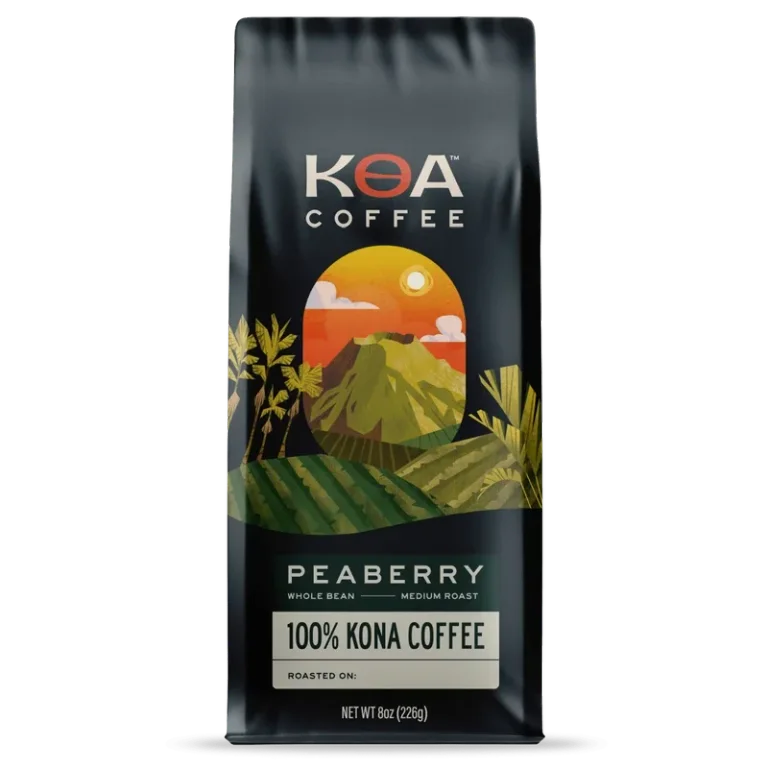
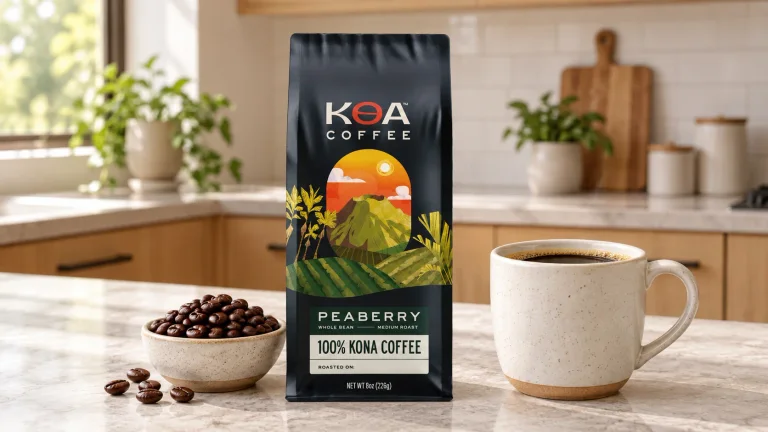
Koa Coffee Peaberry Kona
This is the special-occasion bag, not the office coffee refill. Peaberry can feel sweet, polished, and low in bitterness when it is fresh, which is exactly why dark-roast drinkers should pause before paying the premium.
- Best for
- Buyers who want a special light-to-medium Kona experience.
- Watch out
- Premium price and limited availability.
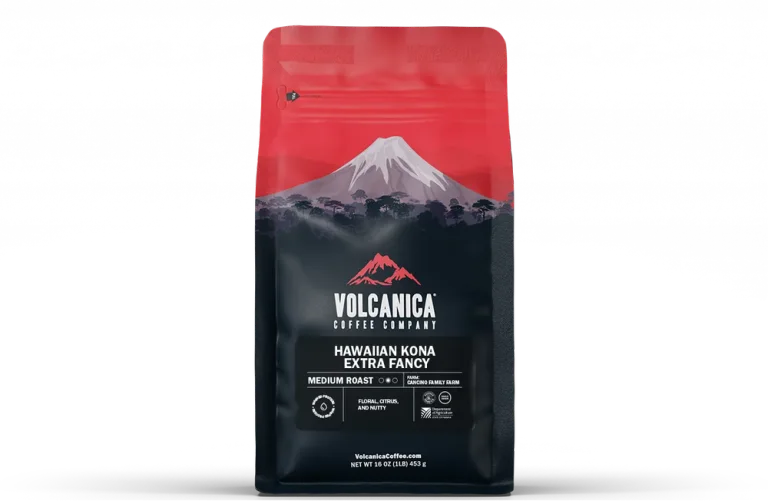
Volcanica Hawaiian Kona Coffee
Volcanica is the richer 100% Kona path here: creamy, rounded, and easier to understand for drinkers who want the origin without chasing the smallest specialty lot.
- Best for
- Drinkers who want a creamy, rounded Kona profile.
- Watch out
- Expensive one-pound bags require freshness discipline.
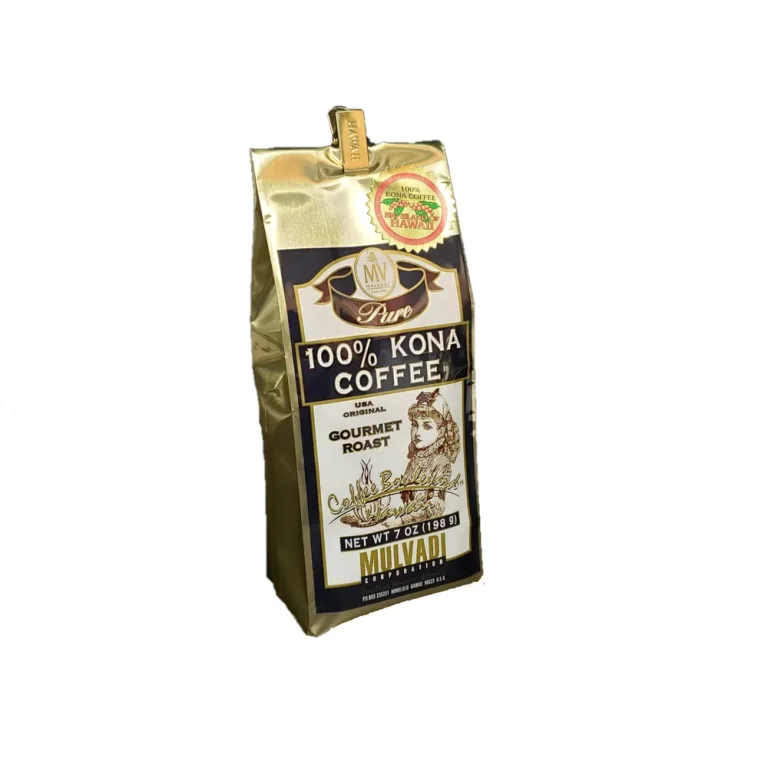
Mulvadi 100% Hawaii Kona Coffee
Mulvadi is the “I want to try real Kona without treating the bag like jewelry” option. Just compare package size carefully, because Kona prices can look kinder until the ounces are checked.
- Best for
- Buyers who want real Kona at a more approachable price.
- Watch out
- Check package size and freshness before comparing price.
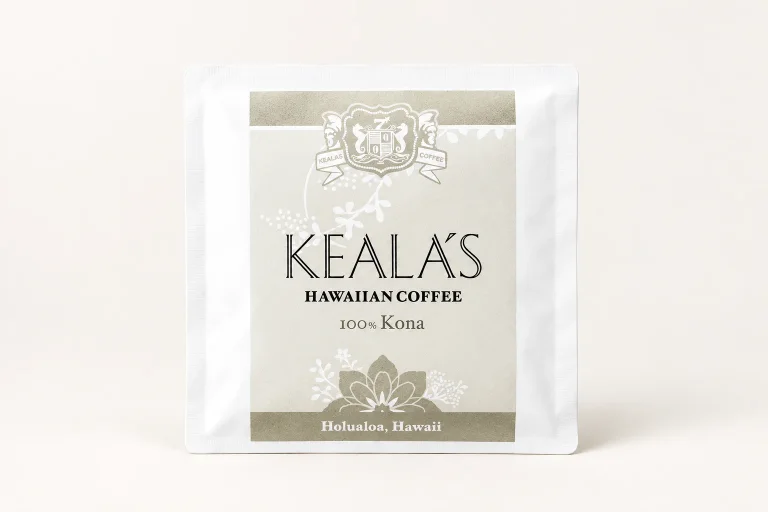
Keala's Hawaiian Coffee
Keala’s belongs here for shoppers who care about the Hawaiian roaster story and a smoother profile, but the current listing should still earn your trust with specific origin and roast details.
- Best for
- Drinkers who want a Hawaiian coffee story and a smoother cup.
- Watch out
- Verify current origin and roast details before buying.
Coffee Corner may earn a commission if you buy through the shopping links in this table, at no extra cost to you.

Buyer Matrix
Kona Coffee Buying Matrix
Last updated August 5, 2026. Notes emphasize label clarity, origin wording, roast freshness, bag size, and whether the premium makes sense for the way you brew.
| Pick | Award | Coffee type | Format | Roast feel | Buying risk | Best for | Watch out | Notes |
|---|---|---|---|---|---|---|---|---|
|
1
Koa Coffee Peaberry Kona100% Kona peaberry
|
Best peaberry treat | Peaberry Kona | Whole bean | Light-medium | High price | Buyers who want a special light-to-medium Kona experience. | Premium price and limited availability. | Check price Read notes |
|
2
Volcanica Hawaiian Kona Coffee100% Kona coffee
|
Best rich 100% Kona | 100% Kona | Whole or ground | Medium | Premium price | Drinkers who want a creamy, rounded Kona profile. | Expensive one-pound bags require freshness discipline. | Check price Read notes |
|
3
Mulvadi 100% Hawaii Kona Coffee100% Hawaii Kona
|
Best accessible Kona | 100% Kona | Bag sizes vary | Smooth | Moderate | Buyers who want real Kona at a more approachable price. | Check package size and freshness before comparing price. | Check price Read notes |
|
4
Keala's Hawaiian CoffeeHawaiian Kona coffee
|
Best Hawaiian roaster story | Kona coffee | Whole bean | Smooth | Verify label | Drinkers who want a Hawaiian coffee story and a smoother cup. | Verify current origin and roast details before buying. | Check price Read notes |





Research method
What this comparison is based on
These selections compare published specifications, formats, ownership requirements, and cited sources. They are editorial suggestions by use case. We do not have documented comparative hands-on tests and do not assign numerical performance or taste scores.
Check the exact model, current price, and return terms before buying. Read our editorial policy.
How To Choose
A better buying decision in five checks.
100% Kona label
The label should state plainly whether the bag is 100% Kona or a blend, because the price should follow the percentage.
Origin transparency
Look for Kona district, farm, estate, or roaster details that are specific enough to verify rather than only “Hawaiian-style” mood.
Roast freshness
Rare coffee still tastes flat when it sits too long after roasting, especially once it is ground.
Grade and bean type
Peaberry, estate lots, and grade language can change price, but they should never replace basic freshness and source clarity.
Brew method
Kona often shines in clean, careful methods that show sweetness and aroma instead of burying the cup under roast bitterness.
Avoid vague Hawaiian-style wording when paying Kona prices.
A fresh non-Kona coffee may be the better everyday value.
Kona Basics
Kona coffee is rare because the growing region is small.
Kona coffee comes from the North and South Kona districts on Hawaii Island. Coffee grows on volcanic slopes near Hualalai and Mauna Loa, with a pattern of sun, cloud cover, rainfall, elevation, and mineral-rich soil that gives the origin its reputation. That geography is also why the supply is limited. The words “Hawaiian” or “island” on a bag do not automatically mean you are buying the Kona profile people talk about.
100% Kona
Best when you specifically want coffee grown in the Kona district and accept the limited-supply price.
Kona blends
Can be fine for casual drinking, but the label should say the Kona percentage and what fills the rest of the bag.
Peaberry
A smaller, rounder bean from the cherry, often priced like a treat because the lots are limited.
Fresh roast
A recent roast date matters more than vacation-style copy, especially if the coffee is sold pre-ground.
Farm To Bag
Harvest and processing explain the price as much as the name.
The farming story matters here because Kona’s price is not only branding. Ripe cherries have to be picked, pulped, fermented or otherwise processed, dried, milled, graded, roasted, and packed in comparatively small volumes. Care at each stage protects sweetness and clarity. Shortcuts can make an expensive bag taste merely pleasant, which is the worst possible outcome for a premium coffee.
Ripe cherry picking
Selective picking matters because unripe and overripe cherries pull the cup away from the sweet, clean profile Kona is known for.
Processing method
Washed, dried, and milled coffee can show different clarity, body, and aroma even when the origin is the same.
Grade language
Estate, extra fancy, peaberry, and other grade terms should support the price with real source clarity.
Roaster handling
A careful roast should show the coffee. An overly dark roast can hide the traits that made the bag expensive.
Buying Without Regret
Pay for transparency, not just the word Kona.
A strong Kona listing tells you what the coffee is, where it came from, how fresh it is, and how the seller expects you to brew it. A weak listing leans on island imagery while hiding percentage, roast date, bag size, or seller details. Because Kona is expensive, compare price per ounce and freshness before falling for romantic tasting notes.
Check the percentage
For premium gifting or tasting, choose clearly labeled 100% Kona. For casual daily cups, a blend may be fine if the percentage is honest.
Compare bag size
A smaller bag can look cheap until you calculate price per ounce.
Buy whole bean when possible
Whole beans protect the aroma longer and let you grind for the brew method.
Skip stale deals
A discounted Kona bag is not a bargain if it was roasted too long ago or stored badly.
Brewing Kona
Use a clean brew method before judging the coffee.
Kona is often valued for sweetness, smoothness, aroma, and low bitterness, so brew it in a way that lets those traits show. Start with fresh grinding, clean water, and a balanced brew ratio. If the cup tastes flat, change grind and dose before assuming the coffee was overrated. Expensive beans can still be wasted by a dirty grinder or stale water path.
Grind fresh
Use a burr grinder and brew soon after grinding so the floral and nutty notes do not disappear before brewing.
Avoid overheating
Do not leave expensive coffee cooking on a hot plate; thermal storage or immediate serving is kinder to the cup.
Start with ratio
Use the brew ratio calculator to avoid wasting a premium bag while dialing in strength.
Store carefully
Keep beans airtight, cool, dry, and away from sunlight, then finish the bag while it still smells vivid.
Taste Check
Know what a good Kona cup should and should not do.
Good Kona is usually not a loud, smoky, bitter coffee. The better cups tend to feel rounded, sweet, aromatic, and easy to drink black. If a bag tastes burnt, flat, or generic, the problem may be roast age, roast level, grind, storage, or blend quality rather than the Kona growing region itself. Brew the first cup plainly before adding milk or sweetener so the origin can actually show itself, then decide whether the premium makes sense for your normal routine.
Expect balance
Look for sweetness, clean body, gentle acidity, and a finish that does not turn harsh or muddy as the cup cools.
Do not chase darkness
Very dark roasting can erase the soft origin character that makes Kona worth buying in the first place.
Taste side by side
Compare Kona against a fresh non-Kona bean so the premium is judged honestly.
Use notes lightly
Tasting notes are helpful, but freshness and source clarity should carry more weight than poetic flavor copy.
Buyer FAQ
Questions to answer before checkout.
What makes Kona coffee different?
Real Kona coffee comes from a small Hawaiian growing region with distinctive climate, volcanic soil, and limited production.
Is Kona coffee always 100% Kona?
No. Some products are Kona blends. Check the label before paying premium prices.
Why is Kona coffee expensive?
The growing region is small, production is limited, and authentic Kona often involves labor-intensive harvesting and processing.
What is the best way to brew Kona coffee?
Use fresh grinding, clean water, and a balanced ratio. Avoid methods that hide delicate sweetness under bitterness or stale flavors.
Keep Researching