Whole bean coffee gives you one thing pre-ground coffee cannot: control at the moment flavor is most fragile. Grind right before brewing and you keep more aroma in the cup.
Grinding increases surface area. That helps extraction, but it also speeds aroma loss.
- Keep beans whole
Whole beans protect aroma longer than ground coffee.
- Match grind to method
Espresso, pour-over, French press, and cold brew need different particle sizes.
- Brew soon
Freshly ground coffee tastes more vivid when the brew recipe is controlled.
- Store correctly
Air, light, heat, and moisture are the enemies after opening the bag.
Whole bean coffee protects aroma until the last moment
Grinding coffee opens far more surface area to oxygen. That is useful during brewing, but bad during storage. Aromas that feel vivid in a fresh bag can fade quickly after grinding, especially if the coffee sits in a warm kitchen, a loose bag, or a large container with too much air.
Whole bean coffee gives you control over when that surface area is created. Even a modest burr grinder can make a daily cup taste more alive because the aroma is released close to brewing, not days or weeks earlier on a shelf.
Pre-ground coffee can still be practical
Whole bean is usually better, but pre-ground is not a moral failure. It can make sense for travel, offices, guests, accessibility, or people who value speed more than precision. The trick is to buy smaller bags, close them tightly, and use them quickly.
If you use pre-ground coffee, choose a grind that matches your brewer. Espresso grind in a French press will taste muddy. Coarse press grind in a drip machine can taste weak and sour. Matching grind size to method matters even when you do not grind at home.
The simple freshness workflow
Buy beans in amounts you can finish within a reasonable window, keep them sealed and away from heat, grind only what you need, and clean the grinder often enough that old oils do not coat fresh coffee. That routine does more for flavor than most expensive accessories.
If you want to upgrade one thing at a time, start with beans, then grinder, then water, then brewer. The cup improves fastest when freshness and grind quality are solved first.
A consistent grind improves extraction more than most small accessories.
Fresh coffee can still taste bad if the grind does not fit the method.
Buy an amount you can brew while it still tastes lively.
Protect the beans after opening.
Grinders Best Coffee GrindersChoose a grinder that fits your brew method.
Troubleshoot Why Coffee Tastes BadFix grind and extraction issues.
Ultimately, good coffee is an investment. You should invest in a high-quality grinder (or at least one that you spent around $20 on), whole bean coffee that you love, and your brewing method of choice. There’s a number of benefits to buying whole bean coffee.
Maximum Flavor
You’re wasting the potential of your favorite coffee blend when you stick with pre-ground coffee. The reality of it is that those bags of coffee have been on the shelf for days, and were likely shipped to your grocery store that way.
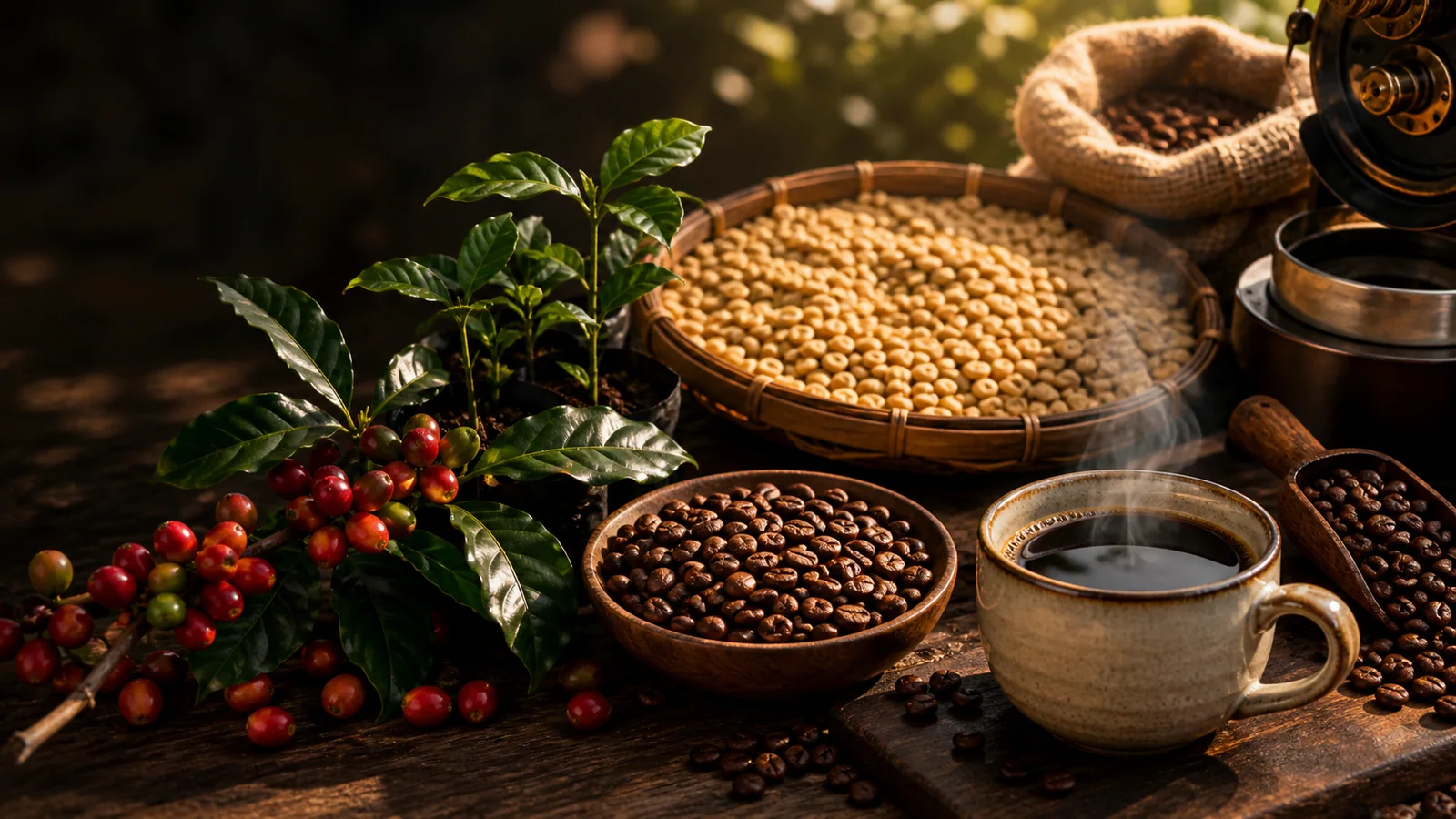
Yellow or pale beans can tell us if the beans were picked too soon. While some beans are going to be lighter and carry a higher caffeine content (like a light roast) you’ll want to make sure that your beans meet the color requirements before you even brew it.
If We’ve Convinced You That Whole Bean Coffee is the Way to Go, Here’s a Few Tips On Buying and Storing Whole Bean Coffee
Here’s a few things to keep in mind when you set out on your quest to buy whole bean coffee:
- Be sure to learn what flavors you prefer in your coffee before you commit to a pound of whole bean coffee. Do you like lighter roasts or darker roasts? Coffee with fruity notes or mellow, earthy notes?
- Buy a week’s worth of coffee beans at a time. If you’re having coffee every day, that’s about how long you can expect maximum freshness from your blend. Of course, it’s okay to consume it afterwards if you still have beans left, but there’s nothing like that first day freshness.
- Do an online search of roasters in your town and do a little research to find out which one is your favorite.
- Check the roast date when you pick up your beans, it doesn’t hurt to know just how fresh they are.
- Find out where you like your coffee from! When we say that, we don’t mean which roaster, we mean what place. Do you like African, Brazilian, Columbian, Indonesian or Hawaiian blends?
Once you’ve found your favorite blend, you’ll want to follow these tips about storing your beans to protect your investment:
- Don’t put your beans in the fridge. It’s going to be difficult to make them reach the hot temperature that you’ll likely want.
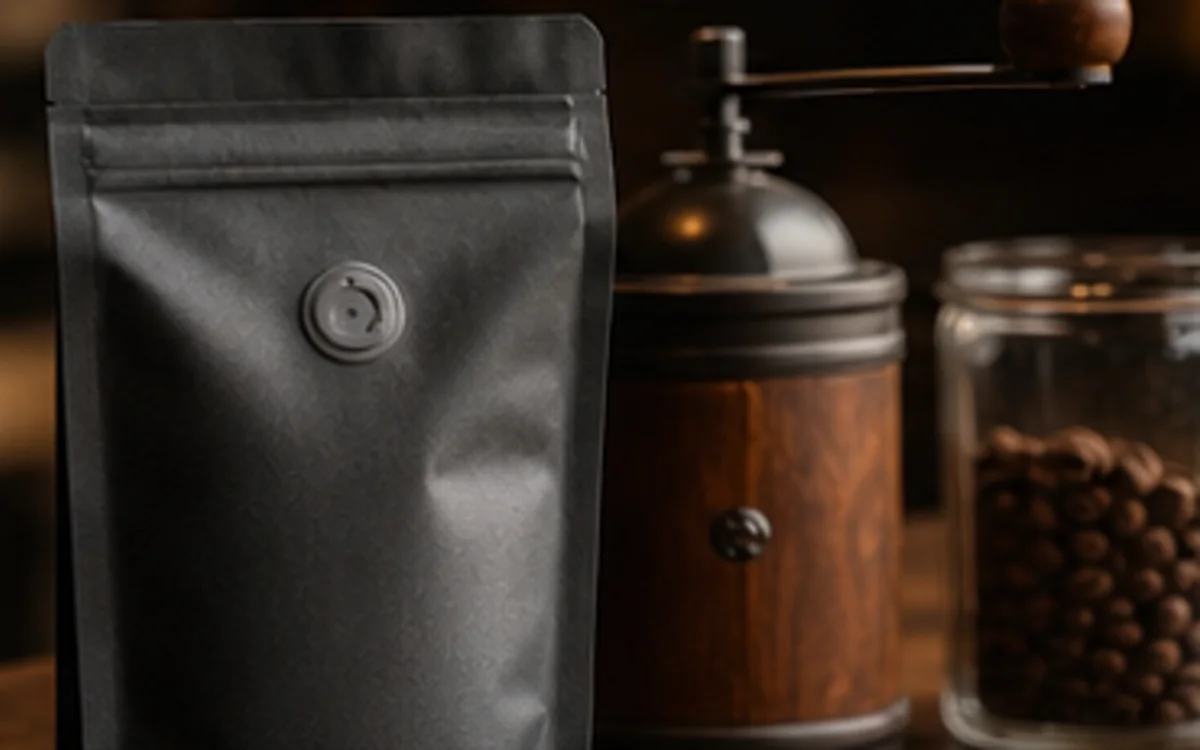
- Keep the coffee beans in the bag that you purchased them in. That bag is designed to preserve the aromas of your coffee. Be sure to seal it tightly after each use.
- If you chose to store your beans in a container, store them in an airtight, opaque container.
Final Thoughts
If we’ve convinced you that you need to get a pound of whole beans into your life as soon as possible, that’s great. You can’t knock the benefits of being able to control your grind, contain your aromas, and have one of the best cups of coffee that you’ll ever make on your own.
However, if you’re a creature of habit and you’re still determined to march into your local grocery store and pull a bag of pre-ground coffee off of the shelf, we won’t judge! At least you’re still appreciating coffee.