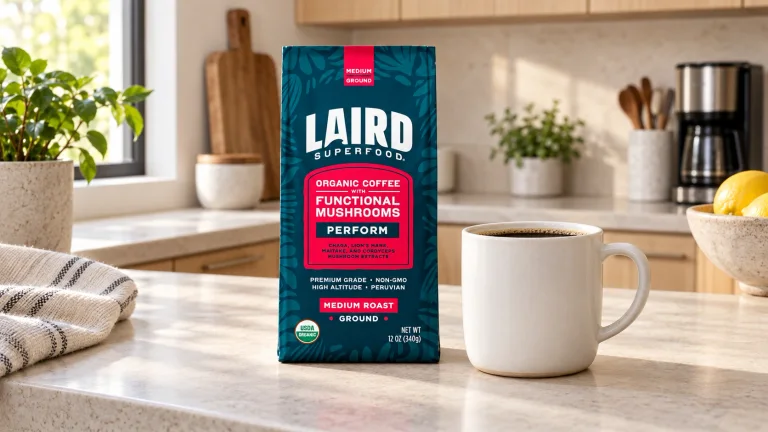
Laird PERFORM Medium Roast Ground suits someone who wants mushroom coffee without giving up a normal brewer. It is ground coffee, not an instant latte. Its main compromises are a fixed grind, an undisclosed amount of each mushroom and regular coffee caffeine. Choose it for the drink and the routine; a promise of better focus is not a sound reason to pay more.
Which Laird coffee is this?
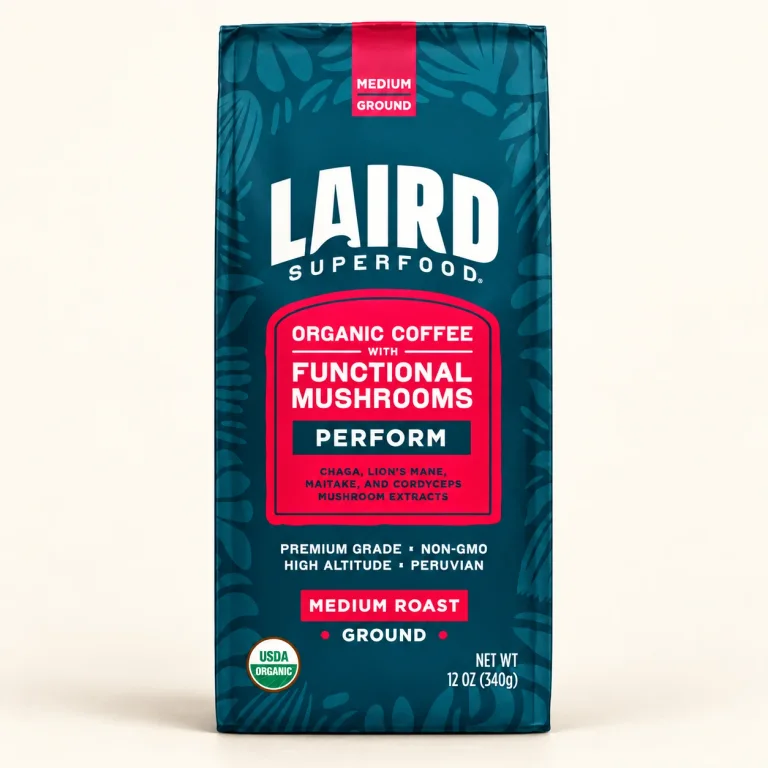
This review covers Organic PERFORM Functional Mushroom Coffee, Medium Roast Ground, 12 oz (340 g). The selected Amazon listing is ASIN B088PB6JFY. Check all three details—PERFORM, medium roast and ground—before comparing prices.
- Format
- Ground coffee
- Bag
- 340 g / 12 oz
- Maker’s recipe
- 10 g + 12 fl oz water
- Caffeine estimate
- About 100 mg per 10 g
The producer’s ingredient list names Peruvian coffee, lion’s mane, chaga, cordyceps and maitake. It does not list a creamer or sweetener. Milk and sugar are additions you control.
PERFORM Dark Roast, Focus, Boost, K-cups and Instant Lattes are separate choices. A shared brand name or Amazon rating does not make their preparation, ingredients or serving sizes interchangeable. In particular, do not put this ground coffee straight into a mug and expect it to dissolve.
How much caffeine does Laird PERFORM contain?
Laird’s caffeine FAQ gives approximately 100 mg per 10-gram serving of coffee grounds. Its separate serving guide pairs that dose with 12 US fluid ounces of water. The dose matters: a 12-ounce mug filled from a stronger batch is not automatically a 100 mg serving.
Adding milk or water changes concentration, not the caffeine already in the coffee you brewed. Drinking only part of a batch changes how much of that batch you consume. These are different choices, and neither makes the manufacturer’s estimate a measurement of your cup.
Avoid scaling the figure into an exact caffeine prediction for every recipe. Bean variation, brewing and the amount you actually drink all matter. Use the maker’s stated serving as an estimate when logging a matching brew in our caffeine calculator; a different recipe needs its own uncertainty. PERFORM is not a decaf substitute.
How to brew the first cup
Start with your existing drip machine or pour-over setup. A paper filter gives you a straightforward way to separate the grounds; there is no need to buy a grinder for this bag. Follow your brewer’s minimum batch size rather than running an automatic machine below its intended range.
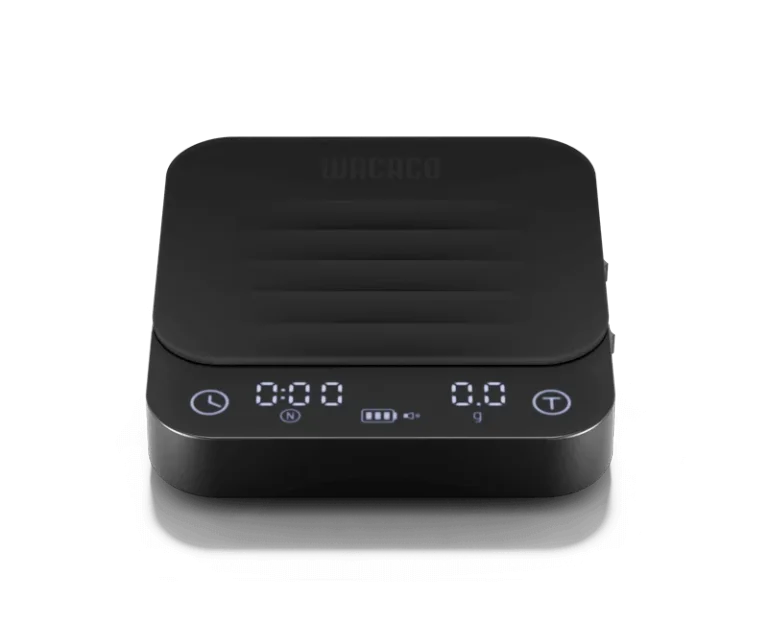
- Measure 10 g of coffee and 12 US fl oz of water—about 355 mL. This follows Laird’s starting recipe. Water added is not finished drink yield: some stays in the grounds.
- Fit the correct filter and add the grounds. Spread them evenly. Do not compress them into a puck or load a basket above its marked capacity.
- Brew using the machine’s normal cycle or your dripper’s instructions. Let the coffee finish draining before moving a hot brewer or lifting the filter.
- Taste before adding your usual milk or sweetener. That separates the coffee’s own intensity from the effect of a large splash of milk.
No scale? Laird gives an approximate alternative of two tablespoons per 12 fl oz water. Use two level US measuring tablespoons (15 mL each), not eating spoons, with 1½ US measuring cups of water (8 fl oz each). This is a repeatable household starting point, not an exact gram conversion; scoop packing changes the amount.
The arithmetic explains why this recipe may seem light: 355 mL water divided by 10 g coffee is about 35.5 mL per gram. If you normally use 20 g for a similarly sized drink, you are using twice the dry product. That changes both how long the bag lasts and the basis for the caffeine estimate.
French press and cold brew
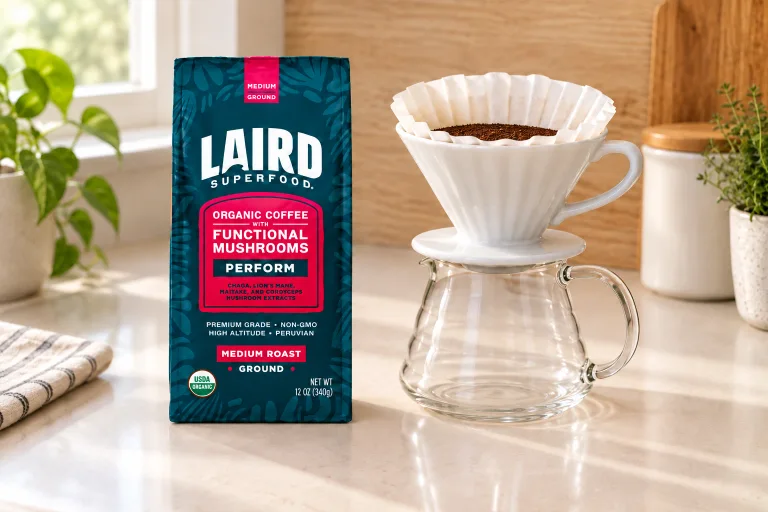
Laird lists both as suitable uses. The fixed retail grind is the limitation: you cannot make this bag coarser to match a particular recipe. Our French press guide explains steeping and gentle pouring, while our cold brew guide covers filtration and refrigerated preparation. Their stronger recipes are separate brewing choices, not evidence that Laird’s 100 mg estimate still applies.
For an iced drink without a long steep, brew hot coffee, let it cool appropriately and serve over ice. Expect melting ice to dilute it. Do not solve dilution by casually doubling this blend’s dose if controlling caffeine is your priority.
Fix a weak, strong or gritty cup
Keep the same coffee dose while trying the following small adjustments, so the comparison is useful. Laird allows its coffee recipe to be adjusted to preference in its serving guidance.
Thin once milk is added
If the black coffee tastes acceptable but disappears under milk, first halve the milk you add. Look for a clearer coffee flavor without increasing the dry dose. If it already tastes watery black, try 10 g with 300 mL water in a brewer suitable for that batch. This is a strength experiment, not a new manufacturer recipe or caffeine claim.
Too intense, but otherwise pleasant
Add a tablespoon of hot water to the finished cup, stir and taste again before adding more. If dilution makes it pleasant, concentration was at least part of the issue. If an unpleasant stale or harsh flavor remains, do not keep adding milk to hide it; check the package’s condition and freshness.
Visible grounds in a filtered brew
If a drip basket overflows, switch off the machine and let it drain and cool before handling it. Check for grounds between the paper and basket; Moccamaster identifies this as a point to inspect. Seat one fresh filter correctly for the next batch, keeping the coffee within your brewer’s limit. Look for clear drainage and fewer particles in the cup. A metal-filter press can leave sediment even when nothing is broken; pour gently and leave the last muddy portion behind.
If coffee causes discomfort, stop drinking it rather than treating the reaction as a brewing problem. A smoother-tasting cup does not establish that a blend is suitable for you.
What owners like—and what divides them
The listing offers several flavors, sizes and formats, so its overall rating is broader than one bag configuration. The summary below draws on written reviews identifying the medium-roast 12-ounce bag, including recent positive and critical feedback.
Reasons people return to it
- Familiar coffee flavor with little noticeable mushroom aftertaste.
- A smooth medium-roast profile for many reviewers.
- Easy use in an ordinary coffee routine.
Reasons people pass
- A price premium that not everyone finds worthwhile.
- Conflicting strength preferences and reports of inconsistent flavor between bags.
- Digestive discomfort or other unwanted reactions reported by some buyers.
Positive reviews do not establish a health benefit, and individual adverse reports cannot establish a cause or its frequency. Flavor preferences also run in both directions: recent critics described the coffee as too weak and too strong. Start with one bag rather than assuming a high score guarantees a match.
What does a bag actually cost to brew?
On October 15, Laird’s own page listed a 12-ounce bag at $20 one time or $16 with its displayed 20% subscription discount, before shipping and tax. The table uses the 340 g pack weight. Larger doses are budgeting scenarios, not recommended serving increases.
| Dry coffee per brew | Brews per bag | At $20 | At $16 |
|---|---|---|---|
| 10 g | 34 | $0.59 | $0.47 |
| 15 g | 22.7 equivalent brews | $0.88 | $0.71 |
| 20 g | 17 | $1.18 | $0.94 |
| 30 g | 11.3 equivalent brews | $1.76 | $1.41 |
The calculation is bag price × dose ÷ 340. Fractional brews represent the remaining grounds, not an extra full serving. A 20 g daily routine consumes 600 g in 30 days: about 1.76 bags, or $35.29 at the $20 price before extras. The cost tool on this page lets you substitute your actual purchase price and daily use.
Compare the delivered price and selected pack size rather than a discount badge. A subscription can lower the price per bag while leaving you with more coffee than you use. Check the interval, renewal amount, shipping threshold and cancellation controls before committing; offers and marketplace sellers can change.
What the mushroom blend does—and does not—tell you
The four named mushrooms identify the ingredients, but the producer page does not give the amount of each in a brewed cup. That prevents a meaningful species-by-species dose comparison. Four mushrooms are not automatically better than two, and the number on a rating badge does not fill that evidence gap.
Operation Supplement Safety notes limited evidence for functional-mushroom supplement benefits and uncertainties about blends, quality and safety. That is a reason to avoid treating this coffee as a proven focus treatment. Paying more makes sense only if you value the product as a coffee and are comfortable with its ingredients.
If you are pregnant or nursing, Laird recommends asking your healthcare provider. Also discuss the blend before use if you have a relevant medical condition or take medication; Memorial Sloan Kettering flags chaga interactions with blood thinners. Avoid ingredients you are allergic to. Our safety guidance explains the limits of general product information.
Storage and alternatives worth considering
Keep the bag fully sealed in a cool, dry place away from sunlight, following Laird’s storage guidance. Check the best-by date and seal when it arrives. Photograph a damaged package and contact the seller instead of using spilled grounds. Buy a quantity you can use promptly rather than chasing the lowest bulk price.
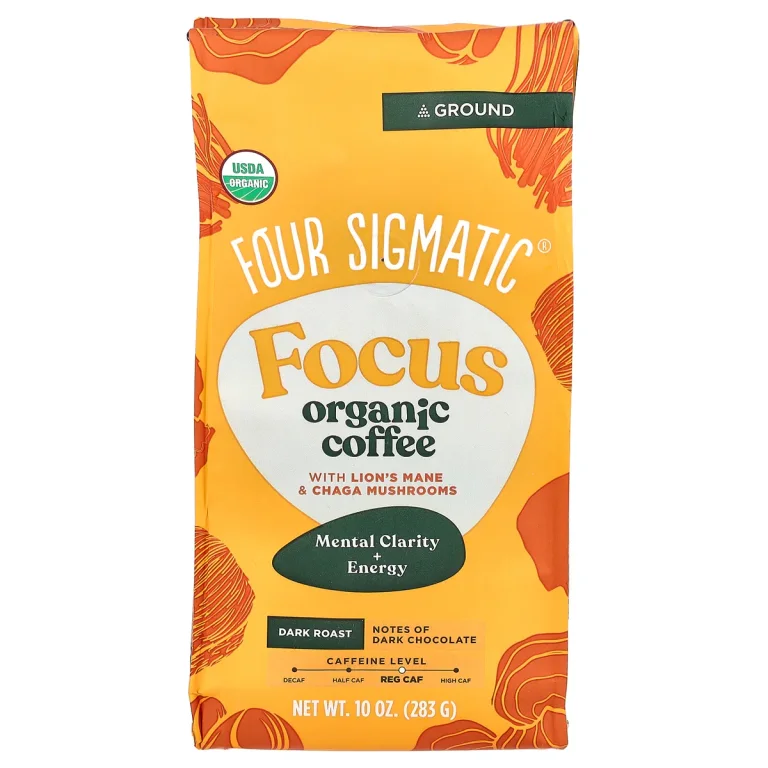
If you want another brewed mushroom coffee, read our Four Sigmatic Focus review. Its ground dark roast is a closer comparison than a sweetened instant latte. Four Sigmatic’s selected Amazon listing had 4.4/5 from 21,337 global ratings on October 15—a much larger rating base, with pooled variants. That supports considering it alongside Laird, not declaring either the better-tasting coffee for everyone.
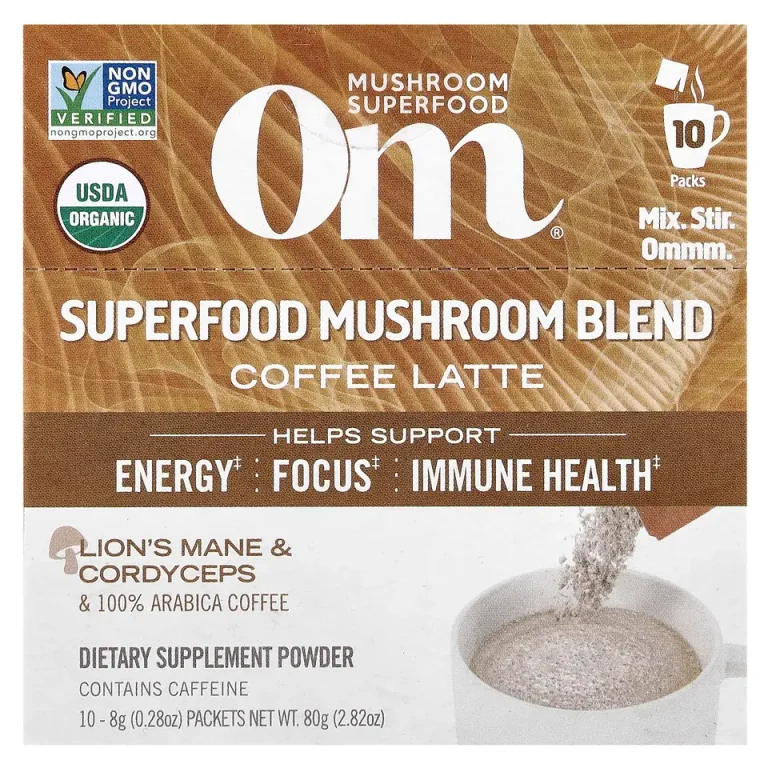
If the mushroom ingredients are not important to you, ordinary ground coffee is the simplest alternative: compare the price for the same bag weight and dry dose. If convenience is the priority, our Clevr review covers a ready-to-mix latte. For a wider format comparison, use the existing mushroom coffee buying guide.
Laird PERFORM questions
Can I use it without a coffee maker?
You still need a way to brew and separate the grounds. A manual dripper and suitable filter can do that; a frother cannot turn ground coffee into an instant drink. Check the format before buying for travel or a desk without brewing equipment.
Does an eight-ounce cup have a fixed caffeine amount?
No. Cup size alone does not identify the dry dose, brewing method or concentration. The useful manufacturer reference is approximately 100 mg per 10 g of grounds, alongside its 12 fl oz water recipe—not a guarantee for every mug size.
Is a larger mushroom blend a reason to choose Laird?
Not by itself. The named ingredients help you check suitability, but their count does not establish the amount extracted into your drink or a benefit. Choose based on the format, roast preference, ingredient fit and cost you can sustain.