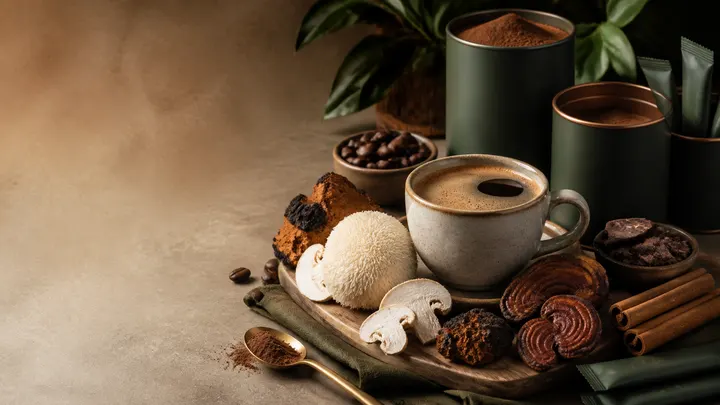
The best mushroom coffee is not the one with the loudest promise on the pouch. It is the one that fits your actual morning: how much caffeine you want, whether you still want real coffee flavor, how your stomach handles fibers and extracts, and whether the price makes sense after the first curiosity purchase.
For this 2026 Coffee Corner review, we looked beyond RYZE and compared the mushroom coffee brands readers are most likely to see while shopping: Four Sigmatic, RYZE, Everyday Dose, MUD/WTR, Laird Superfood, Om Mushroom, Clevr, and VitaCup. The short version is simple: choose Four Sigmatic if you want the most normal coffee experience, RYZE if you want a lower-caffeine instant ritual, Everyday Dose if you want the creamiest latte feel, and MUD/WTR or VitaCup if you are trying to move away from coffee altogether.
The most sensible choice for coffee drinkers because it still behaves like brewed coffee.
Fast, familiar, and lower in caffeine, with a flavor that works better with milk.
Creamy and polished, but the collagen makes it a specific lifestyle fit.
Spiced, earthy, and intentionally not a normal cup of coffee.
Brand Shelf
Eight mushroom coffee styles at a glance.
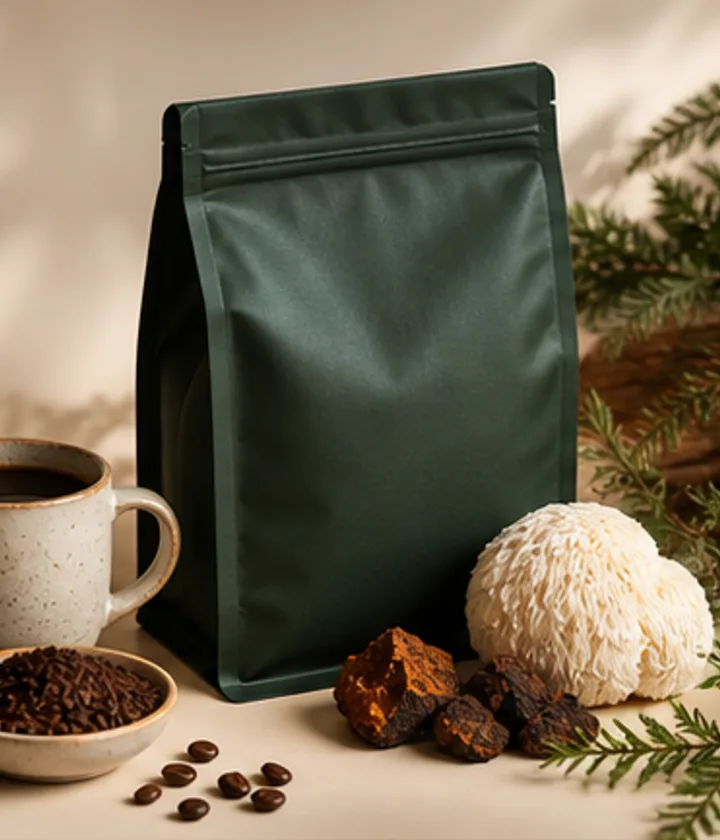
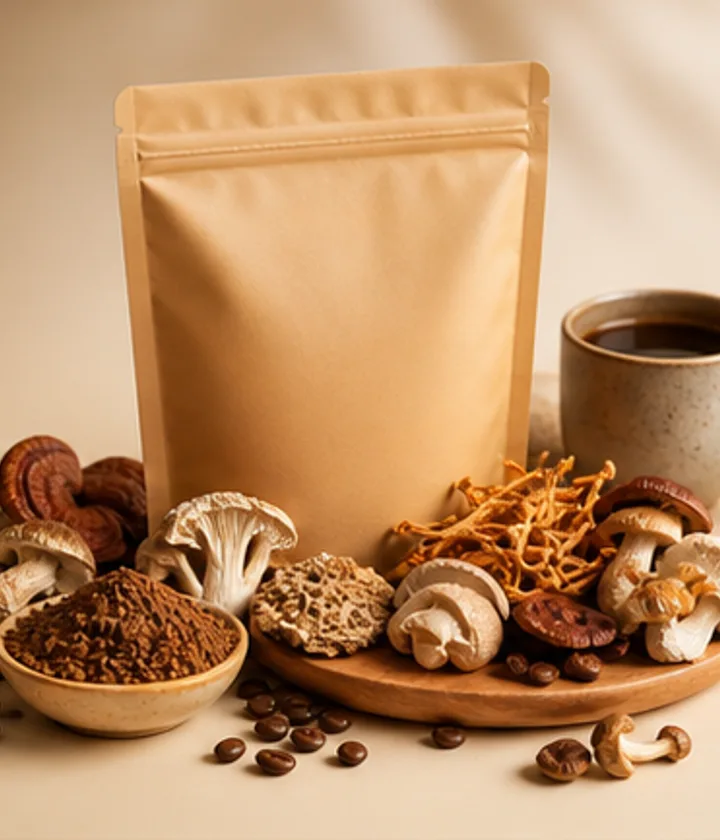
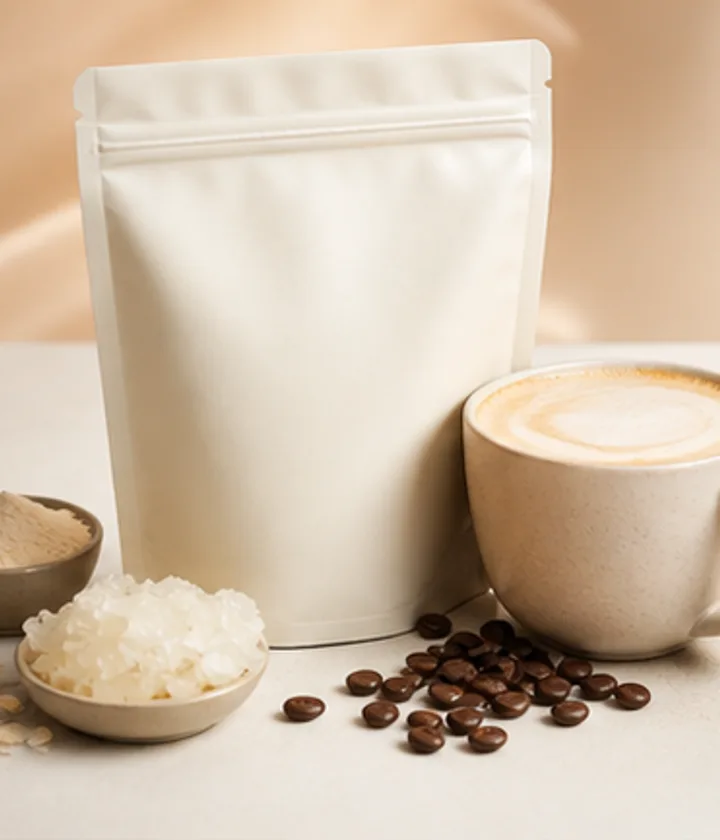
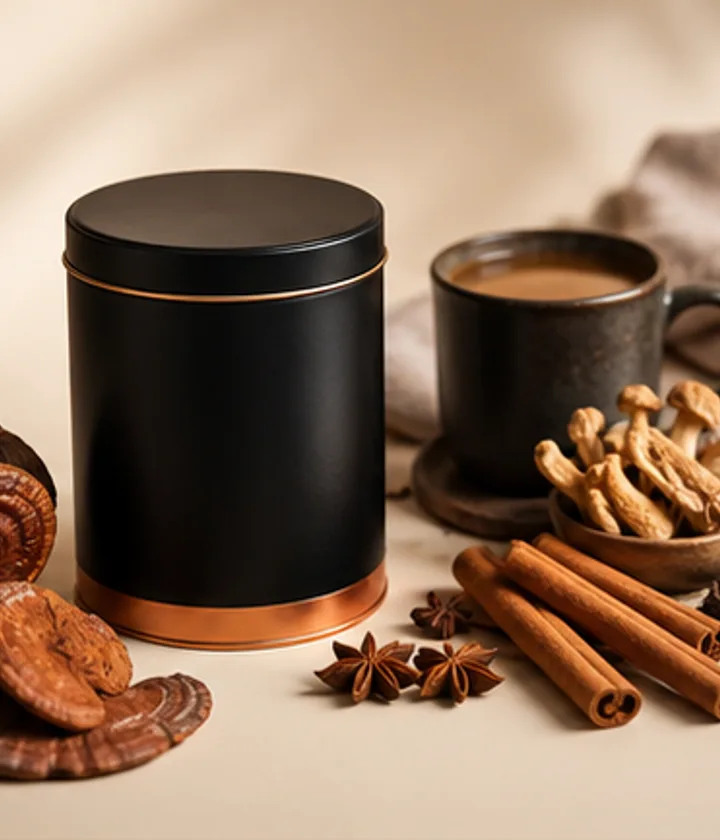
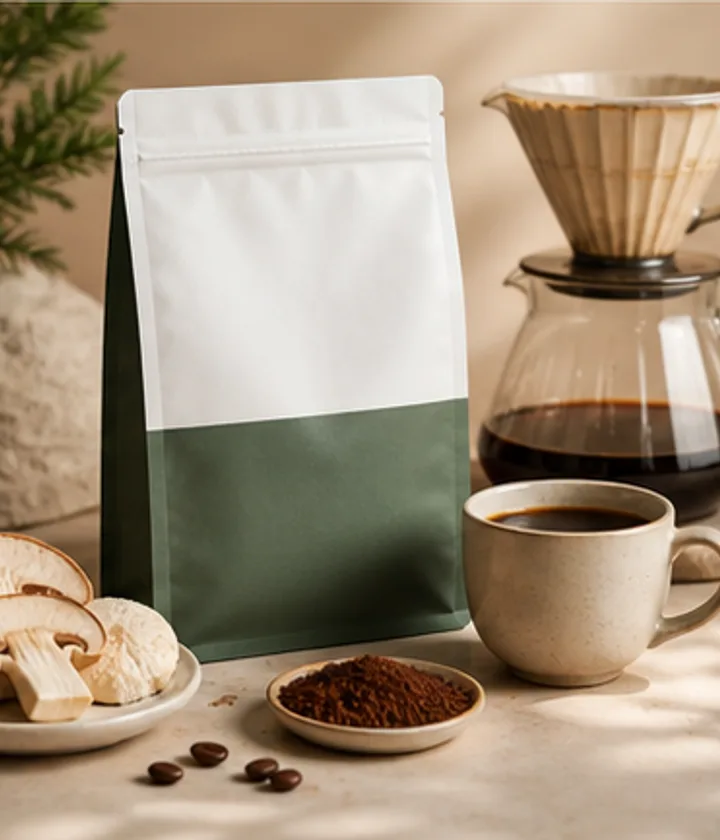
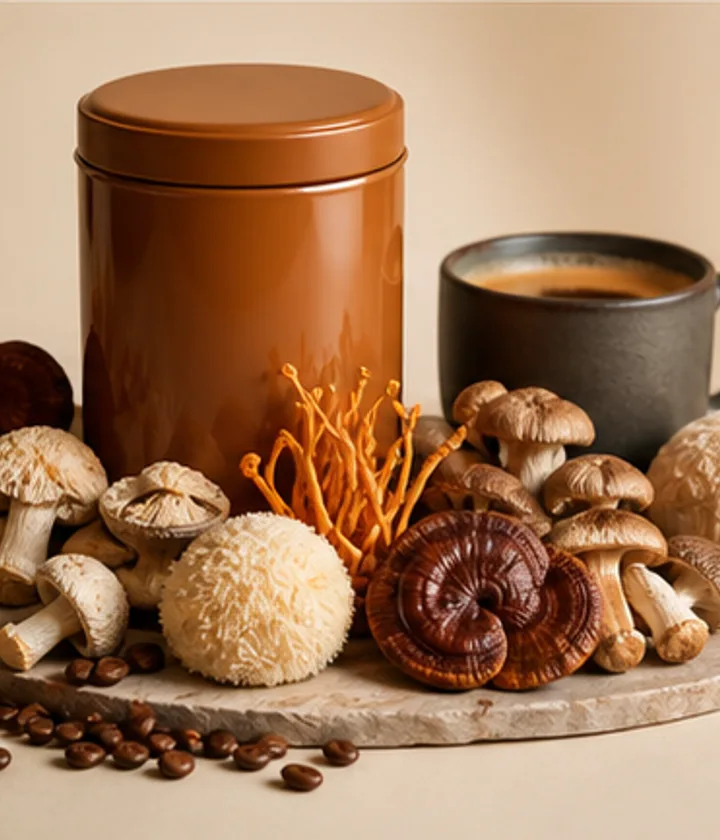
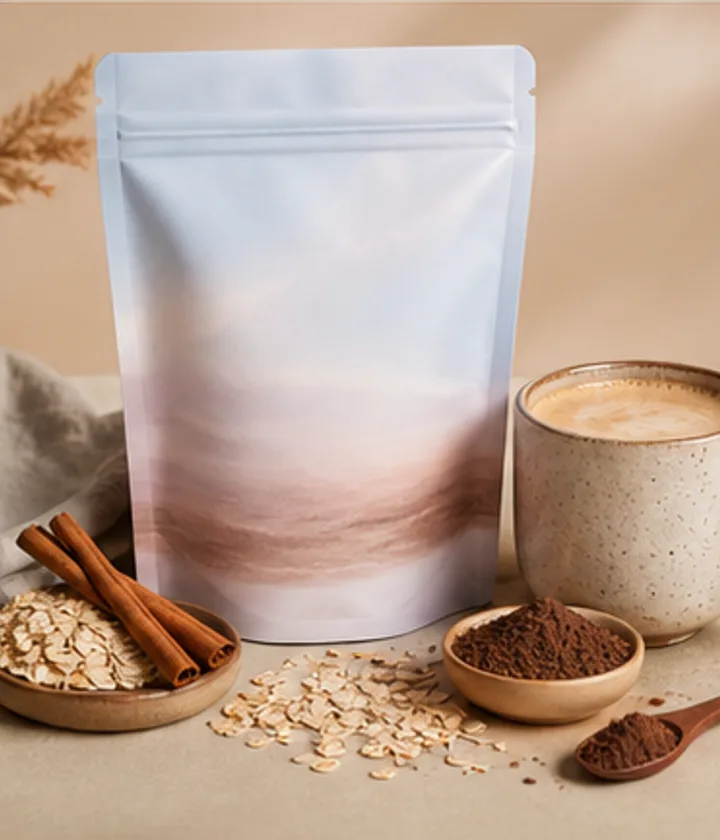
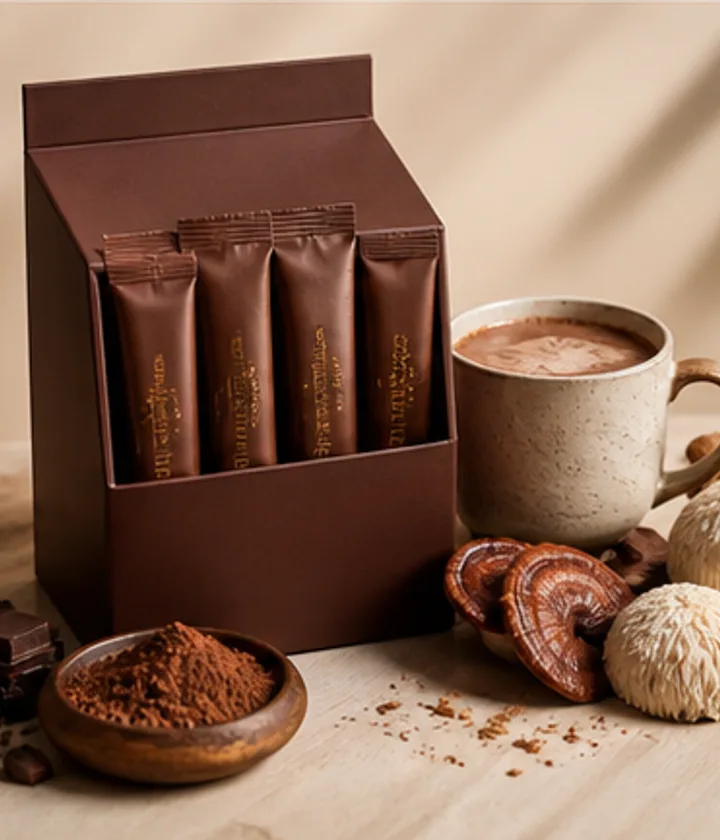
These editorial product visuals keep the page consistent while showing the format differences that matter: ground coffee bags, instant pouches, latte powders, tins, and sachet boxes.
How We Ranked the Brands
We ranked these products as coffee products first and wellness products second. That matters. A mushroom blend can look impressive on a label and still make a disappointing drink. A product can also taste great while being vague about caffeine, dose, or who should avoid it. The best choices tell you what you are drinking, prepare easily, and do not need miracle language to justify the price.
Does it taste like something you would actually drink every morning?
Can a caffeine-sensitive buyer understand the serving before checkout?
Are the mushrooms, extras, format, and serving expectations clear?
Would it still make sense after the discount, starter kit, or curiosity fades?
We also separated mushroom coffee from coffee alternatives. Four Sigmatic, Laird, RYZE, Everyday Dose, Om, and Clevr all keep coffee somewhere in the formula. MUD/WTR Original and VitaCup Shroom Fuel are better understood as coffee replacements. They may be useful, but they should not be judged by the same flavor expectations as a brewed Arabica coffee.
1. Four Sigmatic Focus Ground Coffee: Best Overall
Four Sigmatic wins because it starts with the most important thing: it is still coffee. The Focus Ground Coffee format brews like ordinary ground coffee and keeps the mushroom idea in the background. The official product page lists about 150 mg of caffeine per 12 oz cup, which puts it near regular coffee rather than the low-caffeine instant category. For the full single-brand breakdown, read our Four Sigmatic Mushroom Coffee review.
The formula is built around Arabica coffee with lion's mane and chaga. That is a more restrained approach than throwing ten functional ingredients into a pouch. If you already like drip coffee, pour-over, French press, or a basic automatic brewer, this is the mushroom coffee that asks you to change the least. You still grind or scoop, still brew, still smell coffee, and still get a full-caffeine morning.
The weakness is obvious: it is not the choice for people trying to cut caffeine sharply. If your goal is a gentler cup before lunch or an afternoon replacement, Four Sigmatic is probably too close to normal coffee. If your goal is better taste and a cleaner label than many instant wellness blends, it is our best overall pick.
2. RYZE Mushroom Coffee: Best Lower-Caffeine Instant
RYZE is the brand most people ask about first, and it deserves a serious place in the list. The medium roast is convenient, lower in caffeine at about 48 mg per serving, and built around instant Arabica coffee, a six-mushroom blend, and prebiotic fibers. It is quick to make and it tastes better when treated like an instant latte instead of black filter coffee.
The flavor is mild, roasted, nutty, and a little earthy. Stirred into plain hot water, it can feel powdery. Dissolved first with a small splash of hot water and then topped with warm milk or oat milk, it becomes much more pleasant. If you want a detailed single-brand breakdown, read our full RYZE Mushroom Coffee review.
The caveat is buying experience and price. RYZE can make sense if it replaces cafe drinks or helps you step down from high-caffeine mugs. It makes less sense if it replaces cheap home coffee. As with any subscription-heavy wellness product, read the checkout screen carefully and keep your order confirmation.
3. Everyday Dose Coffee+: Best Creamy Latte-Style Pick
Everyday Dose feels built for people who want a smoother, creamier morning drink without building a cafe setup at home. Its current Coffee+ positioning includes coffee extract, lion's mane, chaga, collagen, and L-theanine, with the mild version listed at 45 mg caffeine and the medium version at 90 mg caffeine. For the full single-brand breakdown, read our Everyday Dose Mushroom Coffee review.
The collagen is the key detail. Some readers will like that because it gives the drink more body and a rounded latte texture. Other readers should treat it as a deal-breaker because it is bovine collagen, not vegan. This is exactly why mushroom coffee needs careful comparison: two products can sit on the same shelf while serving completely different diets and routines.
Everyday Dose is a good fit if you want the ritual to feel soft and modern. It is not our top pick for black-coffee drinkers, and it is not the cleanest choice if you want a short ingredient list. It is, however, one of the more polished latte-style products in the category.
4. MUD/WTR Original: Best Coffee Alternative
MUD/WTR Original is not trying to be a normal coffee. That is both its charm and its warning label. The brand's current materials position Original at about 35 mg caffeine, with a formula built around cacao, masala chai, spices, and functional mushrooms such as lion's mane, reishi, chaga, and cordyceps.
The cup is earthy, spiced, and more like a cacao-chai ritual than coffee. People who want espresso flavor will be disappointed. People who want to stop drinking large mugs of coffee may find it more useful than a weak decaf. It gives the morning a clear sensory replacement: warm spice, cocoa, and a small caffeine lift.
Use MUD/WTR if you are emotionally attached to the ritual of a hot drink but physically tired of high caffeine. Skip it if you want coffee taste, a low price per serving, or a simple two-ingredient label.
5. Laird Superfood Perform Mushroom Coffee: Best for Ground-Coffee Drinkers
Laird Superfood's Perform Mushroom Coffee is another practical pick because it stays close to normal brewing. The official product page describes a medium roast coffee with organic extracts from chaga, lion's mane, maitake, and cordyceps. That makes it a better fit for readers who already own a drip brewer, French press, or pour-over setup.
The biggest advantage is habit compatibility. You do not need a frother, shaker, or new latte routine. You brew coffee and drink coffee. The mushroom layer is there, but the format is familiar. That also means caffeine will behave more like coffee than like a low-caffeine powder, so sensitive drinkers should not assume it is gentle just because the word mushroom is on the bag.
Laird is not as slick as some of the latte brands, but that can be a good thing. It is the less theatrical option for someone who wants functional positioning without leaving the coffee aisle.
6. Om Mushroom Coffee Latte Blend: Best for a Bigger Mushroom-Blend Style
Om Mushroom's coffee latte blend is the most supplement-like pick in this group. Om's own caffeine article lists its mushroom coffee products around 116-120 mg caffeine per serving, and retail product pages commonly highlight a 2,000 mg organic mushroom blend. That is a much different profile from the 35-50 mg lower-caffeine products.
This can be the right choice if you want a stronger caffeinated latte with a heavier mushroom-brand identity. It can be the wrong choice if you are looking for an evening replacement, a very gentle morning drink, or a coffee that tastes like a carefully roasted single origin. The higher caffeine level makes it more of a real morning drink than a casual wellness sip.
7. Clevr Coffee SuperLatte: Best Sweet Cafe-Style Mix
Clevr Coffee SuperLatte is for the reader who wants a cozy drink more than a straight coffee. The formula is positioned around lower-caffeine coffee, mushrooms, adaptogens, probiotics, and creamy latte ingredients. Clevr's current Coffee SuperLatte product page lists about 50 mg caffeine per latte, so it sits near RYZE and Everyday Dose Mild rather than near full-strength coffee.
This is the easiest one to imagine iced, blended, or turned into a sweet afternoon drink. It is also the one black-coffee drinkers are most likely to reject. The value depends on whether you are replacing a cafe latte or replacing home-brewed coffee. Against cafe drinks, the price can make sense. Against a bag of beans, it is a treat.
8. VitaCup Shroom Fuel: Best Very Low Caffeine Substitute
VitaCup Shroom Fuel belongs on the list because not every mushroom-coffee shopper actually wants coffee. VitaCup describes Shroom Fuel as a coffee alternative with less than 5 mg caffeine, cacao, chaga, lion's mane, maca, cinnamon, and B vitamins.
That makes it useful for late mornings, afternoon routines, or people who are reducing caffeine sharply. It should not be ranked against Four Sigmatic for coffee flavor because it is not playing the same game. Think of it as a hot cacao-style functional drink with a whisper of caffeine.
Which Mushroom Coffee Should You Buy?
If you want the most coffee-like product, buy Four Sigmatic or Laird. If you want lower caffeine and instant convenience, start with RYZE. If you want a creamy wellness latte, look at Everyday Dose or Clevr. If you want to reduce coffee itself, choose MUD/WTR or VitaCup Shroom Fuel. If you want a stronger mushroom-latte blend and do not mind more caffeine, compare Om Mushroom.
Caffeine and Safety Reality Check
Mushroom coffee is not automatically caffeine-free. In this group, the range runs from less than 5 mg to around 150 mg per serving depending on the product and preparation. That is why a caffeine calculator is more useful than the front of the pouch. If you already drink espresso, energy drinks, tea, pre-workout, or soda, count all of it.
The FDA cites about 400 mg per day as an amount not generally associated with dangerous effects for most healthy adults, while also noting that sensitivity varies. That broad safety line does not mean every person should drink 400 mg, and it does not make supplement blends risk-free. Caffeine timing, sleep, anxiety, digestion, pregnancy, medication, and personal sensitivity all matter.
The supplement side needs the same caution. The FDA dietary supplement Q&A explains that supplements are not approved before marketing in the same way drugs are. Operation Supplement Safety also notes that mushroom supplement products can use proprietary blends, can vary in quality and purity, and may cause side effects such as digestive discomfort or allergic reactions. Reishi deserves extra care because clinical herb references warn about possible medication interactions, especially around blood thinners and immunosuppressants.
How To Make Mushroom Coffee Taste Better
Most disappointment comes from preparing these products like normal brewed coffee when they are not. Instant mushroom coffees and latte mixes usually taste better when you dissolve the powder first with a small amount of hot water, then add warm milk, oat milk, or cold milk and froth. Ground mushroom coffees should be brewed like the coffee they are: correct ratio, fresh water, and a grind that matches the brewer.
- Start with one serving. Do not double-scoop a product with caffeine, fiber, mushrooms, and adaptogens before you know how your body handles it.
- Use milk for earthy formulas. Oat milk, whole milk, or a small amount of creamer softens chaga, reishi, and cocoa bitterness.
- Use the right tool. A frother makes instant powders smoother. A burr grinder and clean brewer matter more for ground coffees.
- Do not expect espresso. These are ritual drinks, not replacements for a dialed-in espresso setup.
- Track caffeine for a week. Lower-caffeine products still add up when you drink multiple servings.
Final Verdict
The mushroom coffee category is noisy, but it is not useless. The useful version is practical: lower caffeine for some people, a different morning ritual for others, and a way to add functional ingredients without making a separate supplement drink. The unhelpful version promises too much and hides ordinary trade-offs behind wellness language.
Our top pick is Four Sigmatic Focus Ground Coffee because it respects the coffee part of mushroom coffee. Our practical lower-caffeine pick is RYZE Medium Roast. Our latte pick is Everyday Dose Coffee+, with the collagen caveat. Our best coffee alternative is MUD/WTR Original. The right choice depends less on which brand has the loudest marketing and more on what you want to stop doing: drinking too much caffeine, buying cafe lattes, skipping breakfast, or forcing yourself through coffee you no longer enjoy.
One final rule: buy one bag, not a new identity. Try it for a week, track caffeine, watch digestion and sleep, and only then decide whether mushroom coffee has earned a place in your routine.
Sources Checked
Coffee Corner checked current producer pages and public product references for Four Sigmatic, RYZE, Everyday Dose, MUD/WTR, Laird Superfood, Om Mushroom, Clevr, and VitaCup, plus FDA caffeine guidance, FDA dietary supplement guidance, Operation Supplement Safety's mushroom supplement notes, and Memorial Sloan Kettering's reishi reference.