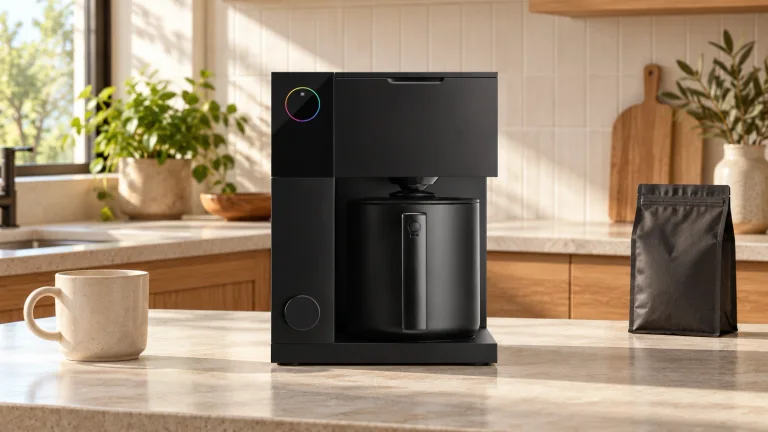
Who Aiden makes sense for
The Fellow Aiden suits a household that moves between a morning mug and a larger pot, and wants to save recipes for different coffees. You choose the coffee, grind and dose; Aiden handles the water delivery. Its value lies in that flexibility. If you always brew the same batch and rarely change beans, much of the menu may go unused.
At $399.95 on Fellow’s US site when checked October 20, 2026, this is a considered purchase. The current owner feedback deserves attention alongside the features: some buyers love the coffee and profiles, while others report water-flow errors or broken plastic parts. The owner panel below separates those experiences. We wouldn’t make Aiden the default recommendation for someone whose first priority is a simple, low-involvement appliance.
This review covers the US 120 V Aiden BR01AAUS with its thermal carafe. It makes filter coffee, not espresso, and has neither a grinder nor a milk frother. Fellow’s specification lists a 1.5-liter tank, two baskets and adjustable brewing profiles. Those are useful capabilities; the following setup decisions determine whether they suit your mornings.
Match the batch, basket and showerhead
Start with milliliters rather than the word “cup.” Aiden’s three-cup boundary is 450 mL of brewing water, about 15.2 US fluid ounces. That isn’t three large mugs, and the finished drink will be smaller because the grounds retain water. Choose a vessel with enough room for your selected brew.
| Brewing water | Basket and filter | Showerhead | Receiving vessel |
|---|---|---|---|
| 150–450 mL | Green single-serve basket; #2 cone paper | One green dot | A suitably sized mug, or the supplied carafe |
| Above 450–750 mL | Blue batch basket; standard 8–12 cup flat-bottom paper | Three blue dots | Supplied carafe with its lid fitted |
| Above 750–1,500 mL | Same blue basket and flat-bottom paper | Three blue dots | Supplied carafe with its lid fitted |
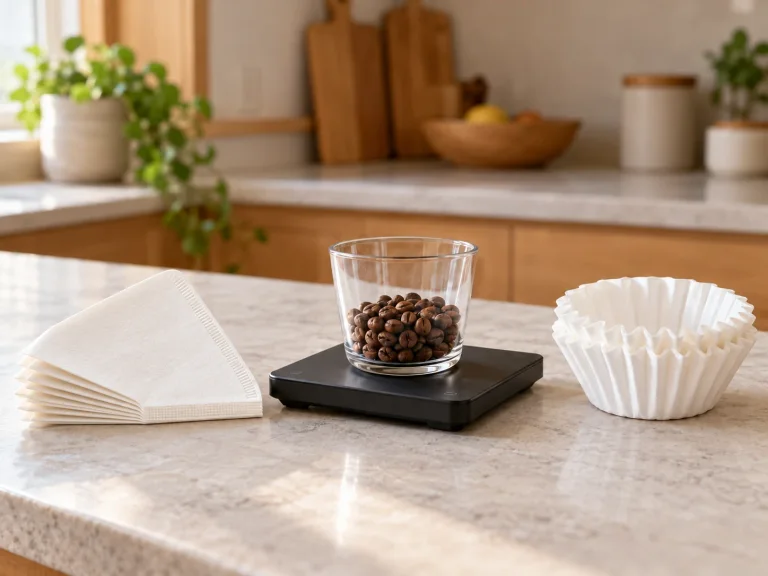
The basket boundary comes from Fellow’s batch and grind guidance; its filter guide specifies the papers. When switching from a mug to a pot, change the basket, paper and showerhead setting together.
Check the selector yourself. Fellow’s firmware notes say version 1.5.9 removed the mismatch error between the selected showerhead and basket. Older instructions showing an alert aren’t a reason to rely on one now.
 AI
Guided Brew, Instant Brew and tomorrow’s coffee
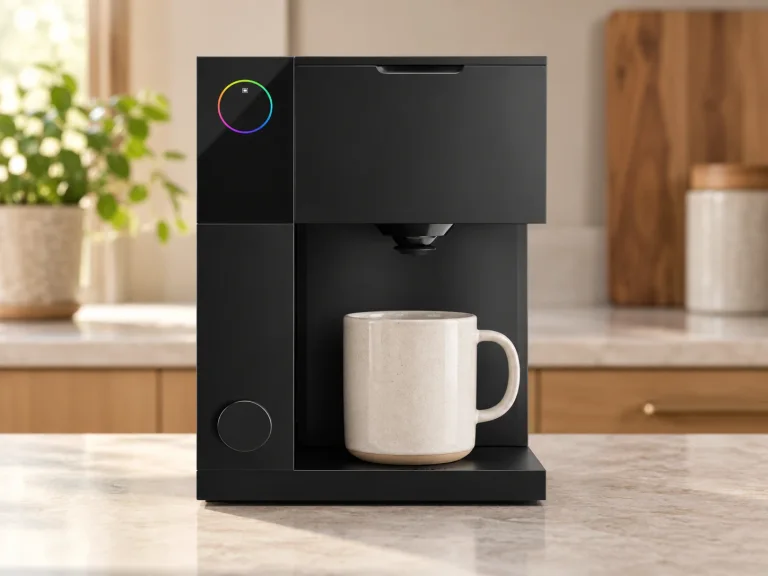
Use Guided Brew while learning the machine. Select a roast profile and water quantity, then follow the coffee-dose prompt. It provides a repeatable starting point without requiring you to design a bloom and pulse sequence before breakfast. You still weigh and grind the coffee yourself.
Basic Instant Brew uses the water in the tank. That matters if you leave the reservoir full but put only one mug underneath. Advanced Instant Brew can instead use a saved profile and specified quantity; the setting is under Settings → Instant Brew → Advanced Mode. Confirm which mode you’ve configured before treating the dial as a familiar one-button start.
A useful first routine is to rinse the removable parts, follow the initial setup instructions, then make a modest Guided Brew. On later mornings, empty the receiving vessel, fit the correct paper and basket, check the selector, add the prompted coffee dose and close the lid before starting. Keep the brew chamber closed during operation and let hot parts cool before handling them. The official quick-start guide covers the controls.
For scheduling, Aiden’s “ready time” means when the coffee should be finished. Set the clock, choose the profile, quantity and repeat frequency, then prepare the grounds, water, basket and empty carafe beforehand. Saving a schedule doesn’t check that you’ve emptied yesterday’s coffee. The routine works best when that preparation is a deliberate evening habit.
A dose worksheet that respects the basket limit
A ratio describes coffee to brewing water by mass. For these planning examples, 1 mL of water is treated as approximately 1 g. Divide water by the ratio number: 600 ÷ 16 gives 37.5 g of coffee. These calculations help you check a recipe; they aren’t measured yields or a replacement for the selected profile’s instructions.
| Water | Example ratio | Calculated coffee | What to check |
|---|---|---|---|
| 300 mL | 1:16 | 18.75 g | Green basket; follow its profile prompt |
| 450 mL | 1:16 | 28.13 g | Still the green-basket boundary |
| 600 mL | 1:16 | 37.5 g | Blue basket and carafe with lid |
| 1,200 mL | 1:16 | 75 g | Below the blue basket’s hot-brew dose limit |
| 1,500 mL | 1:16 | 93.75 g | Exceeds the 82.5 g hot-brew limit |
| 1,500 mL | 1:18.2 | 82.42 g | Within that limit; drainage still matters |
Fellow’s quick-start guide caps the blue basket at 82.5 g for standard brewing and 110 g for its cold-brew process. Don’t apply the cold-brew allowance to a hot recipe. At 1:16, the arithmetic ceiling is 1,320 mL of water; choosing a smaller available batch, such as 1,200 mL, leaves more room. A full 1.5-liter brew instead needs a less concentrated ratio to stay within the stated hot-brew dose limit.
Being below that limit doesn’t guarantee free drainage. Fine grounds and some dark roasts can still crowd the bed. Use the brew ratio calculator to check other quantities, then compare the result with the basket limit before brewing.
 AI
A closer look
Details worth noticing.
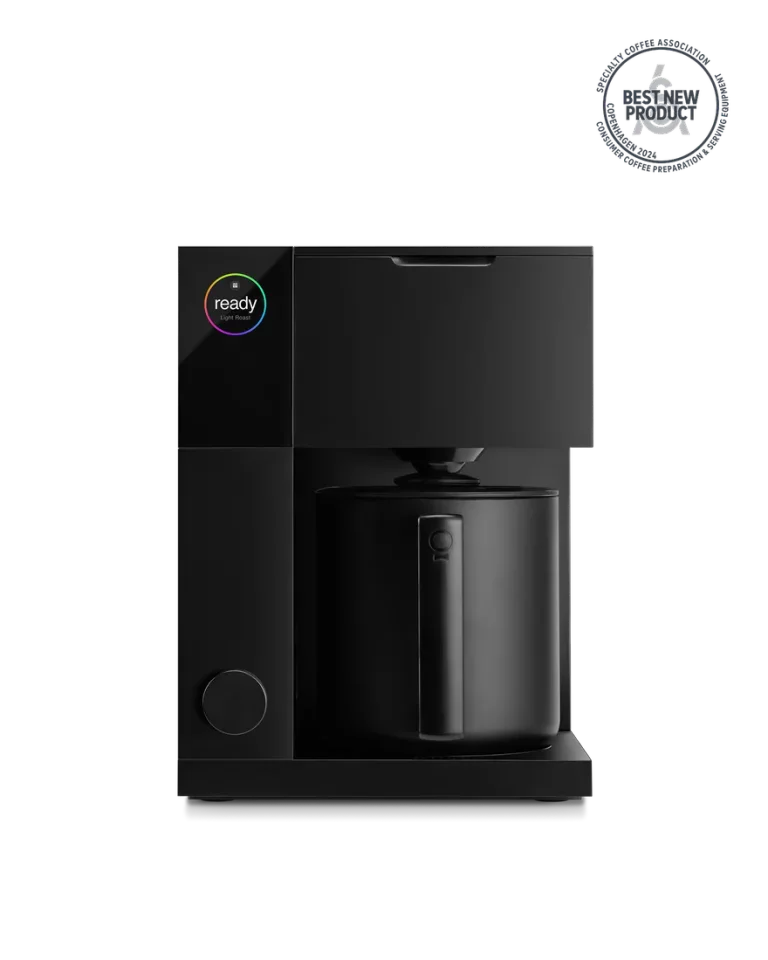
Product detail views: Fellow
Grind changes matter more as the batch grows
Fellow recommends coarser settings for larger batches. As a starting example, its Ode Gen 2 guide moves from 5⅓ for single serve to 8 for small batches and 10 for large batches. Those numbers belong to that grinder; they aren’t transferable to an Encore or another model.
If you already have a burr grinder, learn how your usual coffee drains before buying a replacement. Keep a short note of the water quantity, dose, profile and grind. A setting that works for a 300 mL mug may drain too slowly beneath the deeper bed of a large batch. That is a reason to keep separate mug and carafe notes, even for the same bag.
Profiles can adjust temperature, ratio, bloom and pulses. Start with the roast presets and change a setting for a reason you can describe. If the coffee is weak but drains normally, investigate the grind and selected dose; if water is pooling above the bed, address drainage first. More menu changes won’t solve a blocked basket.
Counter space, heat and cold brew
Allow space to lift the tank, open the lid and pull the carafe out. Fellow’s dimensions page lists a roughly nine-inch-square footprint, 12-inch closed height and 18.5-inch open height. Its safety booklet lists a slightly different footprint, so confirm the exact unit before ordering for a tight recess. The opening under the spout is about 6.3 inches high; check a tall travel mug separately.
The carafe insulates coffee; it doesn’t actively reheat it. A small brew in a large carafe loses heat faster than a fuller batch. For one drink, an appropriately sized insulated mug can make more sense. Fellow’s heat-retention advice also suggests preheating with a water-only cycle. Empty that water and reset the intended brew quantity before adding coffee.
Cold Brew is a separate profile with a hot bloom followed by slower, cooler water delivery. It takes planning rather than producing an instant cold drink. Choose the cold profile and follow its dose and quantity instructions; don’t improvise by filling the hot-brew basket more heavily. Keep this feature in perspective if your main need is simply one hot mug each morning.
Our coffee corner layout guide shows how to keep a dry dosing area, filter drawer and route to the sink within reach. Leave useful working space beside Aiden rather than surrounding it with accessories.
Cleaning and water care
Unplug Aiden and let it cool before cleaning. Empty the grounds and rinse the basket after use. The US safety and care booklet permits the two brew baskets on the dishwasher’s top rack; hand-wash the carafe, lid and tank. Wipe the body and showerhead area with a soft damp cloth.
Never put the carafe on an electronic scale. Its magnet can interfere with the scale. Weigh beans or grounds in a separate cup on a dry counter. You don’t need to weigh the complete carafe to follow Guided Brew’s dose prompt.
Keep loose grounds away from the water tank. Fellow’s water-flow guidance identifies debris and mineral buildup as possible restrictions. A carbon filter doesn’t necessarily remove hardness, so filtered water alone isn’t proof that descaling can be skipped.
Use the recommended type of coffee-machine descaler and complete every rinse stage. Fellow’s current descaling walkthrough describes three stages and prompts that need a response. Start when you can stay nearby; an interrupted cycle may leave the reminder uncleared. Follow the current on-screen procedure and solution label rather than guessing a vinegar mixture.
Troubleshooting: distinguish the symptom first
| Symptom and distinction | Next step | What to observe |
|---|---|---|
| Blue basket fills but little coffee reaches the carafe | Stop brewing and let it cool. Check that the supplied carafe is seated with its lid fitted; the lid opens the basket valve. | Does the correctly assembled vessel restore drainage? Don’t substitute another jug. |
| Basket drains, but overflows with a large dose | Check the 82.5 g hot limit, then try one full grinder number coarser as Fellow suggests. | Look for less pooling and fewer grounds escaping the paper on the next brew. |
| Pre-ground coffee drains too slowly despite a suitable dose | In a custom profile, add about five seconds between pulses, applying the change to every pulse. | Does the bed drain farther before each water addition? Stop if overflow continues. |
| “Add Water” appears although the tank has water | Follow Fellow’s flow-error guide: inspect for scale after cooling, and use its Maintenance → Flush diagnostic when directed. | Record completed/failed and the displayed flow. A failed 0.0 mL/s result needs support, not repeated brewing. |
| Coffee drains normally but tastes thin | Check that the dose matches the selected profile, then try a finer grind within that batch size. | Does flavor become fuller without astringency or slower drainage causing trouble? |
The drainage adjustments follow Fellow’s overflow guidance. A full tank with a flow warning is a different problem; use the Add Water diagnostic. Don’t open the case or bypass sensors to copy a forum repair.
Questions before you buy
Does Aiden weigh or grind the coffee?
No. Guided Brew calculates a dose for you to prepare. A separate scale and grinder serve different jobs; a reliable kitchen scale you already own may be enough for weighing the dry coffee. The gear below starts with the brewer itself and keeps upgrades optional.
Do I need the app to make coffee?
No. Basic brewing and schedules are available on the machine. Connectivity adds profile sharing and firmware updates. Fellow listed firmware 1.5.16 on its October 7 support page, with staged rollout; don’t assume every unit receives an update simultaneously.
What should I compare it with?
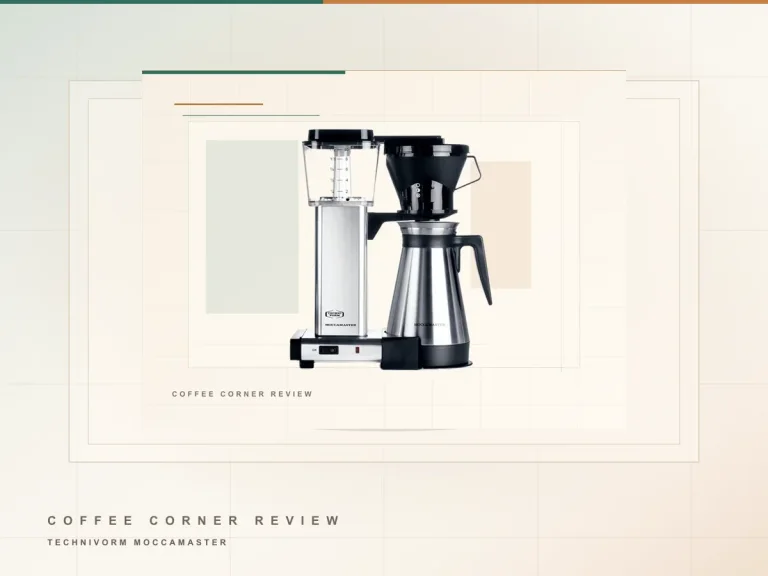
Compare the Moccamaster KBT if you prefer a more mechanical brewing routine. Our Aiden versus Moccamaster comparison covers that choice in detail. For a wider shortlist, including the simpler OXO 8-Cup, use the coffee-maker buying guide. The bigger owner-evidence base of an established alternative matters, but so does whether it serves the batch sizes you actually drink.
If you would rarely use brew profiles, compare the programming in the Cuisinart DCC-3200 review and the one-button approach in the Bonavita BV1900TS review. They help separate the everyday features you need from the recipe controls you might leave unused.