To taste coffee, smell it first, take a small sip when it has cooled comfortably, and describe its sweetness, acidity, bitterness, texture and finish. Compare two coffees side by side when possible: a difference is often easier to notice than a precise flavor name.
You do not need a professional score sheet or a collection of unusual fruit names. “This one is lighter and more lemony; that one is rounder and more chocolate-like” is already useful. The aim is to choose coffees and brewing adjustments you enjoy, then recognize them again.
Smell before you sip
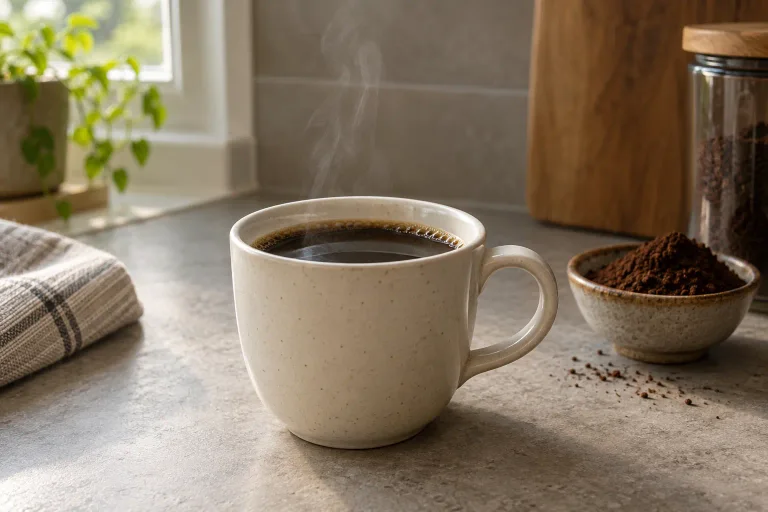
Smell freshly ground coffee, then the brewed cup, keeping your face clear of hot steam. Take a short, gentle sniff, pause, and try again. Write the first familiar association that comes to mind. If all you recognize is roasted coffee, start there.
The Specialty Coffee Association explains flavor as a combination of taste and smell. That is why an aroma such as toasted nuts can be part of your description even though it is not a basic taste such as sweetness or bitterness.
For a first session, put away scented candles and avoid preparing strongly aromatic food beside the cups. Give yourself a few quiet minutes. A kitchen does not need to become a laboratory, but it helps if the smell you are describing comes from the coffee.
Six things to notice in the cup
Work through the same questions each time. These plain-language prompts are for comparing your own drinks, not assigning an industry quality grade.
| Attribute | Question to ask | Useful words |
|---|---|---|
| Aroma | What does it remind me of before and during a sip? | Roasty, floral, cocoa-like, fruity |
| Sweetness | Is there a sweet impression alongside the other flavors? | Subtle, noticeable, honey-like |
| Acidity | How much tartness or brightness do I notice? | Gentle, lively, sharply sour |
| Bitterness | How prominent is the bitter taste, and do I enjoy it? | Mild, cocoa-like, lingering, harsh |
| Body and texture | How does the liquid feel in my mouth? | Light, rounded, heavy, drying |
| Aftertaste | What remains after swallowing or spitting? | Brief, clean, sweet, bitter |
Keep description separate from preference. A light-bodied coffee is not automatically weak or poor; you may prefer it to a heavier cup. The SCA's Coffee Value Assessment similarly separates descriptive assessment from an evaluator's impression of quality. For home notes, “strong bitterness, which I enjoy with milk” tells you more than “bad.”
A sweet impression is not a sugar-content measurement, and tasting acidity does not tell you a coffee's pH or whether it will agree with your stomach. These words describe your sensory experience. They cannot diagnose composition or a health effect.
The easiest comparison: two normally brewed cups
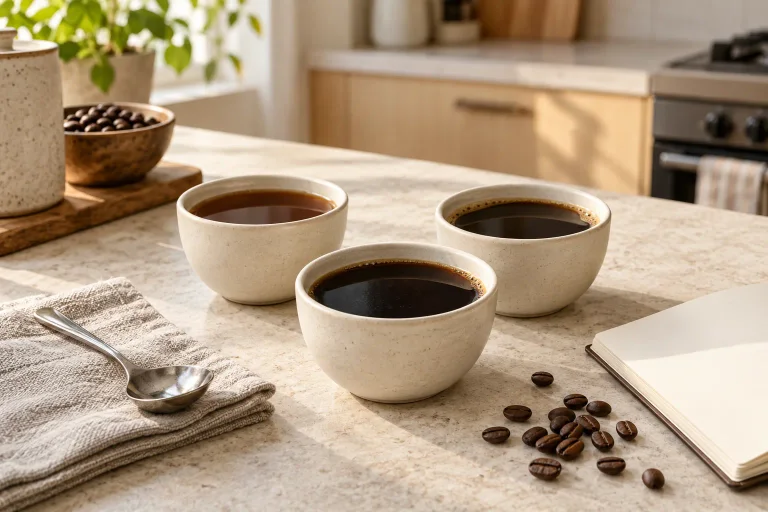
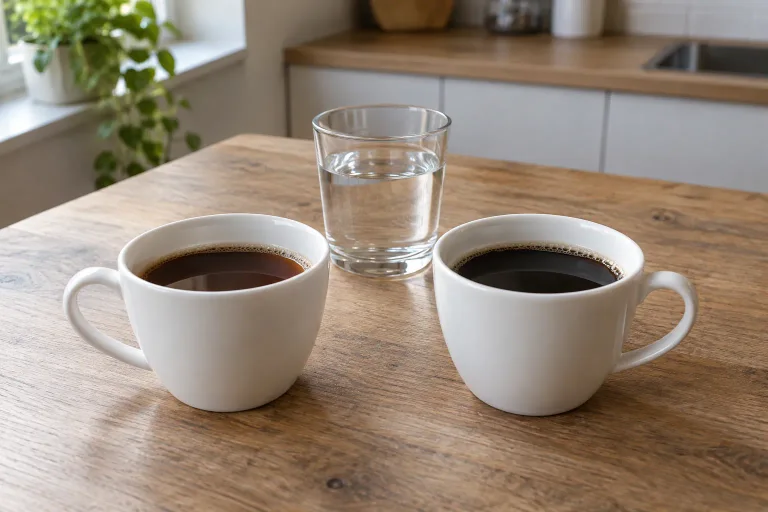
Choose two coffees you already have, or buy small quantities with different roast descriptions. Brew them with the same method, water, coffee-to-water ratio and serving size. Two nearby cups make it easier to ask “which is more bitter?” than to remember a cup from last week.
- Label the cups A and B. Write the bag names somewhere you can check afterward. Matching cups reduce differences in how quickly the drinks cool.
- Use a recipe you can repeat. Record the dose, water, grind and brew time. Our brewing-method guide gives starting recipes for several brewers.
- Taste both without additions first, if you are comfortable doing so. Take small sips at similar temperatures. You do not need to finish the servings.
- Choose one clear contrast. Compare body first, then tartness, then bitterness. Write short observations before looking at the bag descriptions.
- Try your normal serving. If you usually add milk, add the same measured amount to each and compare again. Your favorite black coffee and favorite milk coffee may differ.
If you own only one brewer, make small batches close together and compare when both are comfortable to drink. This is an informal comparison: a cup brewed first has had longer to cool. When a result seems surprising, repeat it with the brewing order reversed before drawing a firm conclusion.
Do not change the recipe to favor one coffee during the first comparison. Later, you can adjust each separately. A shared recipe shows how they behave under the same conditions; it does not establish the best possible brew for either bag.
Use the coffee flavor wheel without forcing a match
Follow the SCA's center-to-edge approach: choose a broad family, then become more specific only when the next word fits. You can stop at “fruity.” You do not have to choose a berry to complete the exercise.
The World Coffee Research Sensory Lexicon defines attributes and provides reference examples. It was developed for trained sensory work, but its definitions can help explain unfamiliar terms. Do not consume references labeled for aroma only.
For a gentle practice exercise, smell familiar foods separately from the coffee: a piece of orange peel, a little cocoa powder and some freshly cut apple, for example. Use foods you can handle safely and keep them out of the brew. Then smell the coffee again and decide whether any association is useful. This builds a vocabulary; it does not prove that the coffee contains those foods.
Counter Culture distinguishes naturally occurring tasting notes from added flavoring. A bag describing chocolate and cherry is normally describing associations, but deliberately flavored coffee also exists. Check the actual product label if ingredients or allergens matter to you.
A simple home cupping
Cupping puts grounds and water directly into each cup, removing the need for several brewers. This small exercise adapts Royal Coffee's cupping procedure. It is an approachable comparison rather than a formal SCA assessment.
Equipment and setup
Use two matching heat-safe cups with enough room for grounds, 150 mL water and comfortable handling. Set out a scale, grinder, kettle, timer and clean spoons. Weigh 8.25 g of each coffee and grind at the same medium-coarse setting. A scale reading to 0.1 g can use 8.3 g consistently. Smell the grounds.
Pour, wait and smell
Add 150 mL water at about 200°F / 93°C to each cup, wetting the grounds, and start the timer. At four minutes, gently break the floating crust with a spoon. Keep clear of the hot steam, then skim the floating grounds and foam without stirring up the bed below.
Taste as it cools
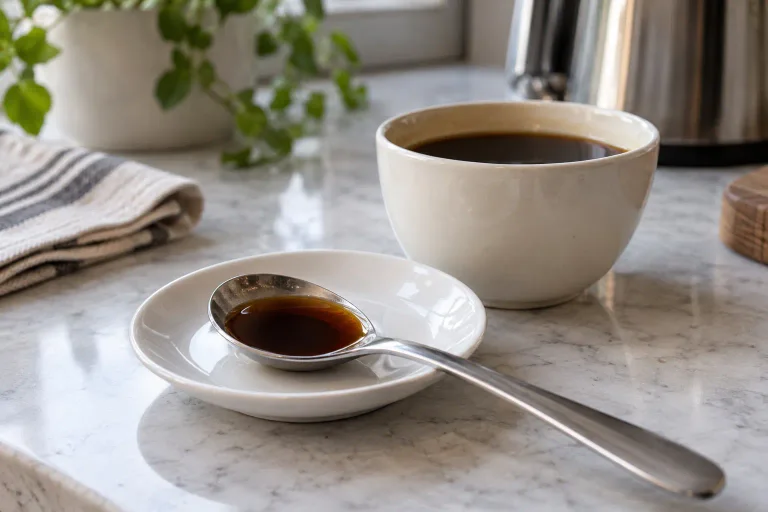
Wait until a small spoonful is comfortable to sip. Compare both coffees, then revisit them as they cool. Leave settled grounds behind. For a shared session, serve separate portions with separate spoons rather than returning used tasting spoons to a common cup. Spitting is optional; swallowing every sample is unnecessary.
There is no need to slurp loudly or take a large mouthful. A cautious sip is sufficient for learning. Keep hot cups on a stable surface, especially while skimming. If you do not have a scale that handles these small doses, use the normally brewed comparison above rather than treating a spoonful as an exact replacement.
Keep notes that help the next brew
Use a page with three short columns: what you brewed, what you noticed and what you want to change. Keep the bag identity and recipe with the notes; otherwise, “lighter than yesterday” becomes impossible to reproduce.
| Record | Example |
|---|---|
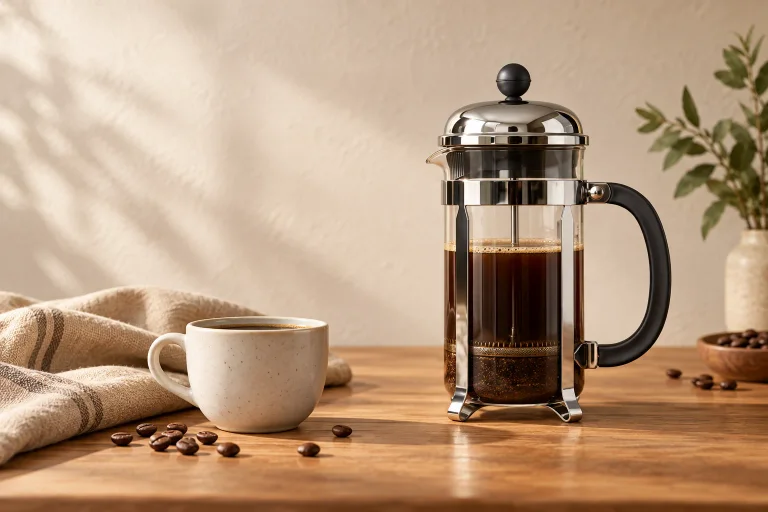
| Recipe | Bag A; French press; 30 g coffee, 450 g water; four minutes; usual coarse setting |
| Description | Roasty aroma, rounded texture, bitterness becomes more noticeable as it cools |
| Preference | Enjoyable with the usual milk addition; too concentrated black |
| Next comparison | Keep the brew unchanged; try a little serving water in one portion |
Our French press guide explains how concentration differs from extraction. The brew ratio calculator helps keep dose and water consistent; it cannot predict flavor or measure extraction.

Use the label as context after tasting
Coffee type and variety
Record whatever the bag actually identifies: species, variety, blend or decaf process. Avoid guessing from bitterness, crema or bean shape. One comparison between two bags cannot establish what every Arabica, Robusta or decaf coffee tastes like.
Origin
A country name is a starting point for exploring coffee, not a guaranteed flavor. If two coffees share an origin but taste different, compare the farm or region, variety, process, roast and age listed on the bags before trying to explain the difference.
Processing and roast
Processing and roasting help shape the cup, but several things can change between samples at once. To explore processing, look for a roaster's paired coffees with useful background information. Our seed-to-cup guide explains where these choices occur. Keep conclusions narrow: you preferred these two particular coffees under this recipe.
When the exercise is not working
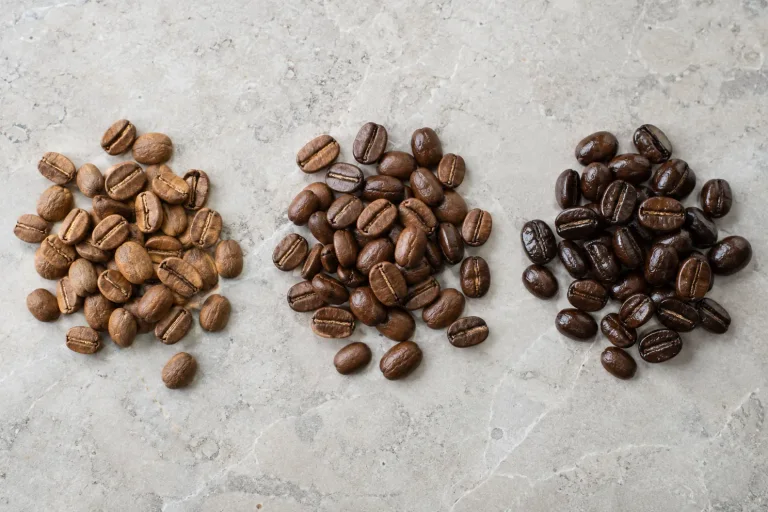
- Everything tastes the same: compare body or bitterness before chasing fruit notes. Choose a clearer contrast next time, such as two different roast descriptions.
- The cup is unpleasantly sharp or bitter: confirm the recipe, clean equipment and taste after cooling. Use the coffee troubleshooting guide to choose one brewing adjustment.
- The aroma fades before the bag is finished: check the seal and storage location. Our storage guide covers portioning and heat exposure.
- Your notes differ from a friend's: compare the actual words and temperatures. “Orange” and “bright fruit” may describe a similar impression; agreement is not required to enjoy the cup.
- You notice only the note printed on the bag: cover the label next time and write your observations first. Reveal the descriptions after both people have finished making notes.
Coffee tasting questions
Do I need special cups or a cupping spoon?
No. Matching heat-safe cups and clean ordinary spoons work for the home exercise. A professional cupping uses more controlled equipment and procedures, but you can start by comparing two normally brewed cups.
Why can I not taste the notes on the bag?
The notes are associations, and brewing, serving temperature and your own references affect what you notice. Start with broader descriptions and compare cups. You do not need to find the printed fruit to decide whether you like the coffee.
Should coffee be tasted black?
A first black sip makes differences between coffees easier to isolate, if that is comfortable for you. Then compare with your normal milk or sweetener, using the same amount in both cups. The drink you actually enjoy matters.
Is sour coffee always under-extracted?
No. Sourness is an observation, not a complete brewing diagnosis. Check the coffee, ratio, grind and temperature before choosing one change. Compare the result rather than assuming every bright or tart cup needs correction.